





What's Happening?
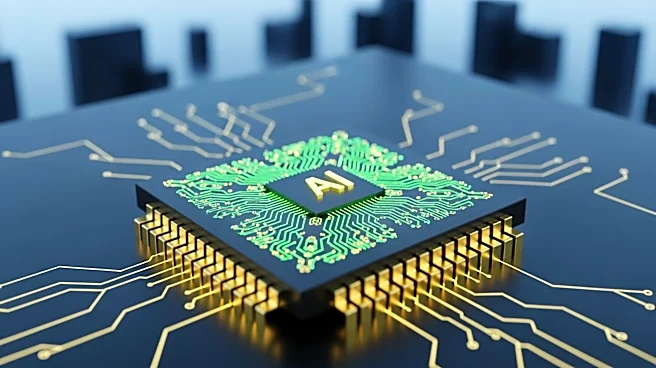
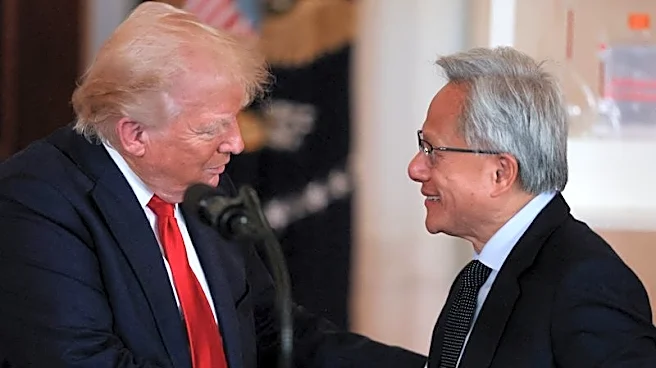
The U.S. government has approved the sale of Nvidia's H200 AI chips to approximately 10 Chinese companies, including major firms like Alibaba, Tencent, and ByteDance. Despite this clearance, no deliveries have been made, leaving the deal in limbo. Nvidia's CEO,
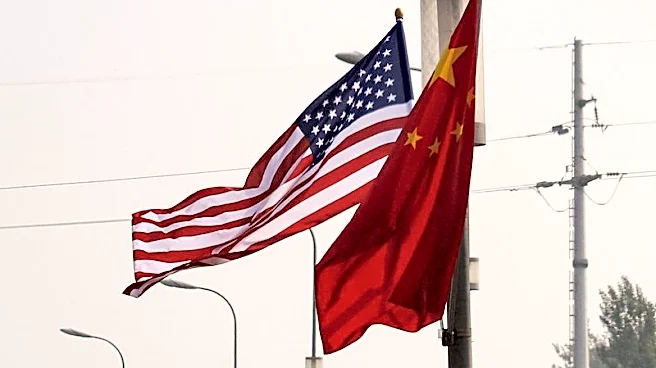
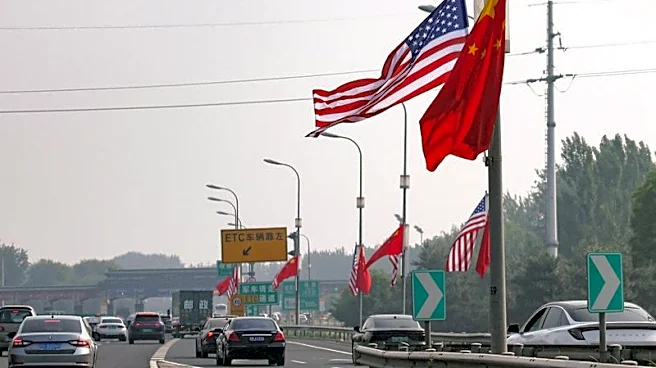
Jensen Huang, is seeking to resolve the situation during a visit to China, which coincides with a summit between President Trump and Chinese President Xi Jinping. The approval highlights the complexities of the U.S.-China tech rivalry, as Nvidia previously dominated China's advanced chip market, which accounted for a significant portion of its revenue.
Why It's Important?
This development is crucial as it reflects the ongoing tensions and strategic maneuvering in the U.S.-China tech landscape. The clearance of chip sales to Chinese firms indicates a potential thaw in trade relations, but the lack of deliveries underscores the challenges in executing such deals amidst geopolitical tensions. For Nvidia, the ability to sell its chips in China is vital for maintaining its market share and revenue streams. The situation also highlights the broader implications for the global tech industry, as supply chain disruptions and export controls can significantly impact business operations and innovation.
What's Next?
The outcome of the summit between President Trump and President Xi could influence the future of U.S.-China tech trade. If successful, it may pave the way for smoother transactions and collaborations between U.S. tech companies and Chinese firms. However, continued geopolitical tensions could lead to further restrictions and challenges. Nvidia and other tech companies will need to navigate these complexities carefully, balancing compliance with U.S. regulations and the pursuit of growth opportunities in China.