

What's Happening?
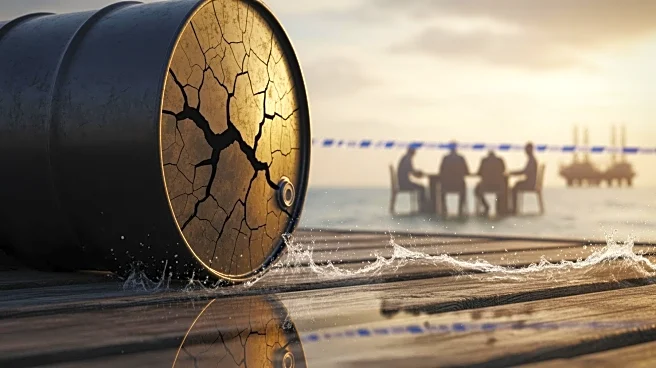
Oil prices experienced significant fluctuations this week, initially rising over 2% due to ongoing conflicts in the Middle East, before stabilizing below $100 per barrel. Analysts warn that prices could surge to $150 if disruptions persist. The Strait
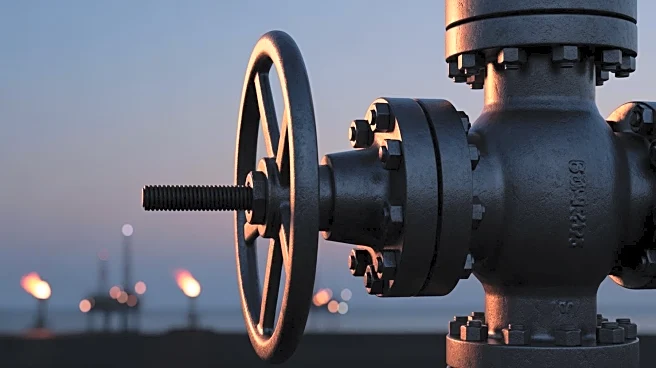
of Hormuz, a critical chokepoint for global energy, remains a focal point of concern, with potential disruptions impacting pricing and trade flows. Meanwhile, Iran continues to export oil, generating substantial revenue despite regional tensions. Japan is increasingly sourcing crude from North America, while Canada could benefit from higher prices and shifting demand. Europe is exploring energy integration with North Africa. In the U.S., policy shifts are redirecting investment from offshore wind to LNG development, emphasizing natural gas for energy security. Private firms are leading a new global shale push, while public operators remain cautious. ReconAfrica's production testing in Namibia adds to emerging supply opportunities.
Why It's Important?
The current energy market dynamics highlight the interconnectedness of geopolitical risks, supply chain disruptions, and policy decisions. The Strait of Hormuz's strategic importance means any instability can have immediate global repercussions. The U.S. policy shift towards LNG underscores the need for reliable energy sources amid geopolitical uncertainties. Private capital's role in financing new energy projects reflects a shift in how supply is secured, with implications for global energy security. The integration of European and North African energy markets could reshape regional energy dependencies. The broader impact includes potential economic benefits for North American producers and challenges for regions reliant on Middle Eastern oil.
What's Next?
Future developments will likely focus on securing stable energy supplies amid ongoing geopolitical tensions. The U.S. may continue to prioritize domestic energy production and LNG development. Private sector involvement in energy projects is expected to grow, potentially leading to increased shale production. Geopolitical developments in the Middle East will remain a critical factor influencing global energy markets. The potential for further integration of European and North African energy systems could alter traditional energy supply routes. Monitoring these trends will be crucial for stakeholders in the energy sector.
Beyond the Headlines
The current situation underscores the need for diversified energy sources and resilient supply chains. The reliance on key chokepoints like the Strait of Hormuz highlights vulnerabilities in global energy logistics. The shift towards LNG and shale development reflects broader trends in energy security and sustainability. The role of private capital in energy projects may lead to innovative financing models and partnerships. Long-term, these developments could drive a restructuring of global energy markets, with implications for energy policy, economic stability, and international relations.