





What's Happening?
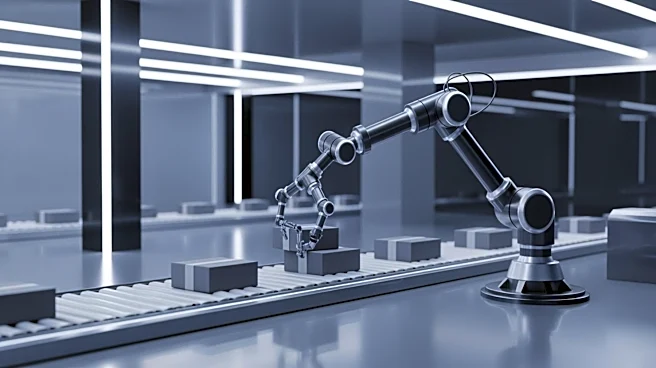
Figure AI, a California-based robotics startup, has successfully demonstrated the capabilities of its Helix-02 humanoid robots by running a 24-hour autonomous package sorting operation. Initially planned as an eight-hour test, the robots continued to sort over
28,000 packages without human intervention, showcasing their ability to perform repetitive tasks with efficiency comparable to human workers. The robots, named Bob, Frank, and Gary by online viewers, utilized onboard cameras and AI reasoning to detect barcodes and sort packages. This demonstration highlights the potential for humanoid robots to handle warehouse tasks traditionally performed by humans, raising questions about the future of labor in such environments.
Why It's Important?
The successful demonstration of Figure AI's humanoid robots in a warehouse setting underscores a significant shift towards automation in industries reliant on repetitive tasks. This development could lead to increased efficiency and reduced labor costs for companies, as robots can operate continuously without breaks. However, it also raises concerns about job displacement for workers currently employed in such roles. As automation technology advances, industries may need to adapt by reskilling workers and redefining job roles to coexist with robotic systems. The broader implications of this shift could affect delivery times, staffing strategies, and the overall structure of labor in logistics and manufacturing sectors.
What's Next?
Figure AI's next challenge is to prove the reliability and practicality of its robots in real-world conditions beyond controlled demonstrations. Businesses will seek evidence of the robots' performance in chaotic environments, where variables such as package shapes and conveyor belt jams are common. Additionally, Figure AI faces competition from other companies like Tesla and Agility Robotics, which are also developing humanoid robots for industrial applications. The future of warehouse automation will depend on the ability of these robots to consistently perform tasks at a cost that justifies their deployment, potentially leading to widespread adoption in controlled industrial spaces.