





What's Happening?
The ongoing conflict in the Middle East has severely disrupted aluminium production, leading to significant supply constraints. Key smelters in the Gulf region, such as Emirates Global Aluminium's Al Taweelah and Aluminium Bahrain, have faced closures
and output reductions due to missile attacks and logistical challenges. The conflict has resulted in an estimated closure of 3.4 million tonnes of capacity in the Gulf, with a notable impact on the supply of value-added products (VAPs). The disruption has led to a surge in European billet premiums and raised concerns about long-term supply shortages.
Why It's Important?
The disruption in aluminium supply from the Middle East has far-reaching implications for global markets. Aluminium is a critical material for various industries, including automotive and construction. The supply constraints are likely to lead to higher prices and premiums, affecting manufacturers and consumers worldwide. The situation underscores the vulnerability of global supply chains to geopolitical events and highlights the need for diversification and resilience in sourcing strategies. The conflict also raises inflationary pressures, as higher aluminium prices contribute to increased costs for end products.
What's Next?
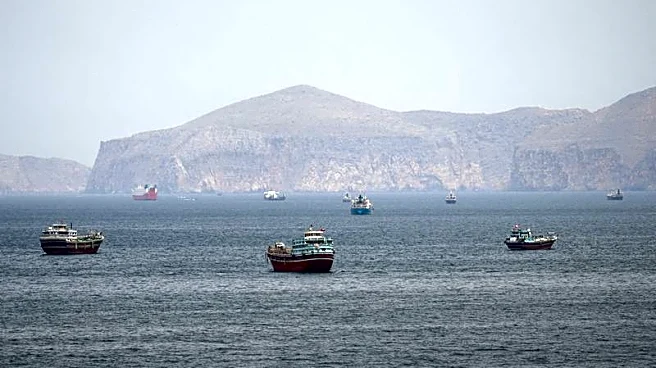
If the conflict persists and the Strait of Hormuz remains closed, the global aluminium market may face prolonged supply challenges. Southeast Asian producers may need to adapt to meet the demand for VAPs, while countries like China could increase their market share. The industry may also see a shift towards secondary capacity and recycling to offset primary tonnage losses. Stakeholders will closely watch geopolitical developments and potential resolutions to the conflict, as well as any strategic shifts by major aluminium producers.