



What's Happening?
A recent report emphasizes the anti-inflammatory benefits of consuming a variety of fruits, which are rich in antioxidants and fiber. Registered dietitian Natalie Rizzo explains that while some inflammation is a natural part of the body's defense system,
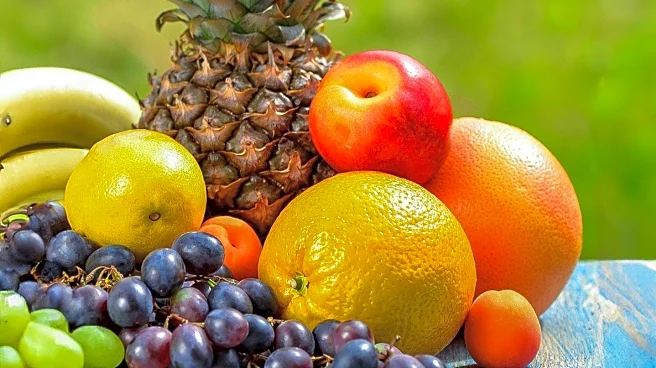
chronic inflammation can lead to serious health issues such as heart disease, cancer, and cognitive decline. The report suggests that diets high in plant foods, including fruits, vegetables, whole grains, and nuts, can help reduce inflammation. Fruits like berries, cherries, grapes, apples, pomegranates, watermelon, citrus fruits, peaches, and pineapple are highlighted for their high content of antioxidants and fiber, which support gut health and reduce oxidative stress.
Why It's Important?
The findings underscore the importance of dietary choices in managing inflammation and preventing chronic diseases. By incorporating a variety of fruits into their diets, individuals can potentially lower their risk of developing conditions linked to inflammation, such as heart disease and cancer. This information is particularly relevant for those looking to improve their long-term health outcomes through diet. The emphasis on whole, unprocessed foods aligns with broader public health recommendations to reduce the intake of ultra-processed foods, which are associated with increased inflammation.