






What's Happening?
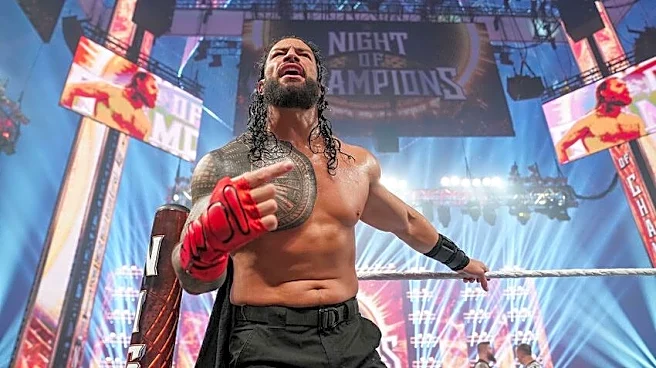
WWE is increasing its live event schedule this summer, adding 10 new non-televised events across the United States in July and August as part of its Summer 2026 Tour. This decision comes after years of reduced domestic house shows following the pandemic.
The primary reason for this expansion is to provide younger wrestlers with more live in-ring experience away from television cameras. According to Dave Meltzer of the Wrestling Observer Newsletter, WWE believes that with a younger roster, these events will help develop talent before they are featured in major televised storylines. Additionally, WWE now sees these house shows as financially viable, expecting them to be profitable due to the company's current popularity. Major WWE stars like Cody Rhodes, Rhea Ripley, and Seth Rollins are advertised for the tour, and ticket prices are expected to be lower than those for televised events.
Why It's Important?
The expansion of WWE's house show schedule is significant for several reasons. It marks a strategic shift in how the company develops its talent, focusing on providing younger wrestlers with more opportunities to perform in front of live audiences. This approach could enhance the skills and confidence of emerging stars, potentially leading to more dynamic and engaging televised events. Financially, the decision reflects WWE's confidence in its current market position, suggesting that the company is experiencing a resurgence in popularity. This move could also increase fan engagement by making live events more accessible through lower ticket prices, potentially broadening WWE's audience base and strengthening its brand loyalty.
What's Next?
WWE's decision to expand its house show schedule may lead to further strategic adjustments in its event planning and talent development. If these events prove successful, WWE might continue to increase the number of non-televised shows, both domestically and internationally. The company could also explore new markets and venues to capitalize on its growing popularity. Additionally, the success of these house shows could influence other wrestling promotions to adopt similar strategies, potentially reshaping the landscape of professional wrestling. Stakeholders, including wrestlers, fans, and investors, will likely monitor the outcomes of this initiative closely to assess its impact on WWE's overall performance and future direction.