





What's Happening?
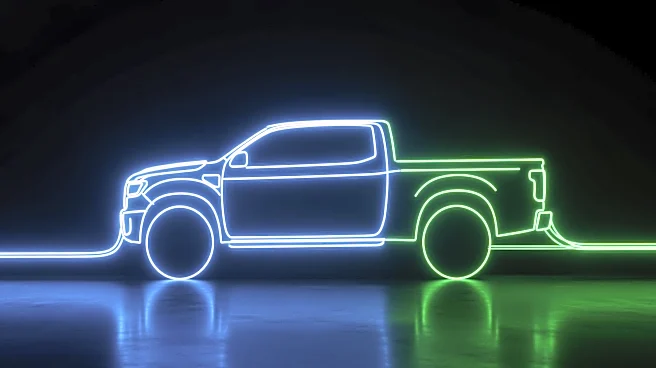
Toyota has unveiled the ninth-generation Hilux, marking a significant step in its electrification strategy by introducing the model's first battery electric vehicle (BEV) variant. This new Hilux lineup includes a 48V mild hybrid diesel and a hydrogen
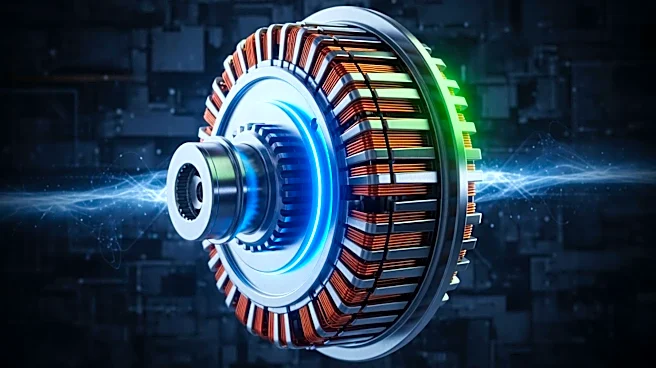
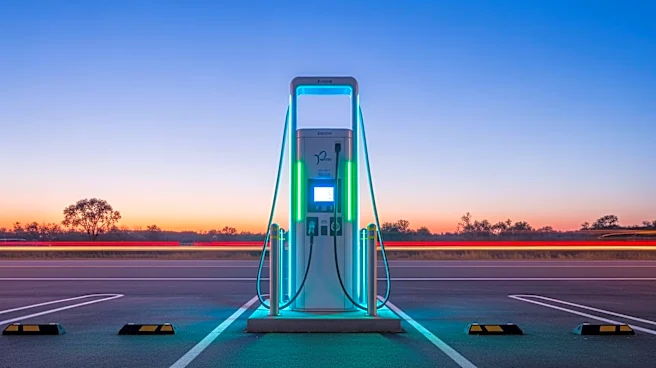
fuel cell version slated for 2028. The BEV is equipped with front and rear eAxles, producing 80kW and 128kW respectively, and is powered by a 59.2kWh lithium-ion battery. It offers a WLTP combined range of 257km, extendable to 380km in city conditions. The vehicle supports DC fast charging, achieving 10% to 80% charge in 30 minutes, and AC charging for a full charge in approximately 6.5 hours. The hybrid variant continues with Toyota's 2.8-litre diesel engine, providing 204hp and 500Nm of torque. Both variants feature Multi-Terrain Select, offering various driving modes for different surfaces.
Why It's Important?
The introduction of a BEV in the Hilux range is a pivotal move for Toyota, showcasing the feasibility of integrating electric powertrains into rugged, body-on-frame vehicles without sacrificing off-road capabilities. This development is crucial as it addresses the skepticism surrounding the compatibility of electrification with utility vehicles. The Hilux's multipath strategy, offering a wide range of powertrains, caters to diverse market needs and regulatory environments, highlighting Toyota's commitment to flexibility and innovation. The BEV's towing capacity and range are critical for its commercial success, particularly for industries requiring reliable, heavy-duty vehicles.
What's Next?
Toyota's strategy with the Hilux BEV and hybrid models is likely to influence the broader market for commercial vehicles, potentially encouraging other manufacturers to explore similar electrification paths. The upcoming hydrogen fuel cell variant in 2028 will further expand Toyota's offerings, aligning with global trends towards sustainable energy solutions. Stakeholders in industries reliant on utility vehicles will be closely monitoring the performance and adoption of these new models, which could drive further investment in electric infrastructure and technology.