






What's Happening?
U.S. Treasury yields are expected to rise slightly, according to a Reuters poll of market strategists. The benchmark 10-year yield is forecast to trade around 4.26% in the coming months, despite recent volatility due to the U.S.-Israeli conflict with
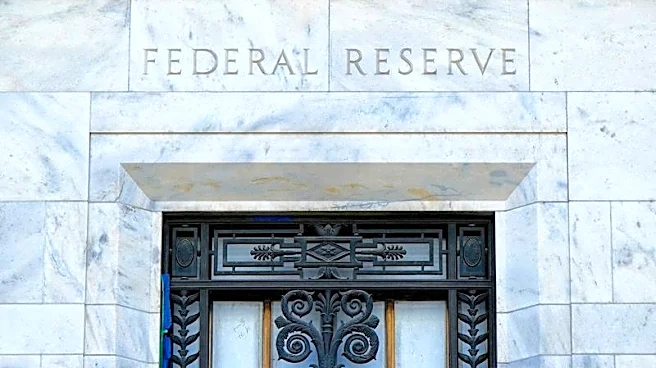
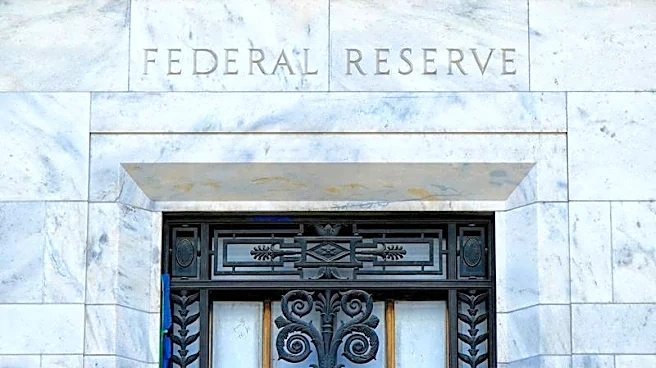
Iran. The conflict has led to a significant increase in oil prices, raising fears of renewed inflation and affecting Federal Reserve rate cut expectations. The yield curve is expected to steepen, with the spread between 10-year and 2-year yields widening. Fiscal concerns, including expected heavy Treasury issuance and a lack of deficit-reduction plans, are also contributing to upward pressure on yields. Despite these factors, some strategists believe the inflation impact will be short-lived, maintaining a benign long-term inflation view.
Why It's Important?
The forecasted rise in Treasury yields has significant implications for the U.S. economy. Higher yields can increase borrowing costs for the government and businesses, potentially slowing economic growth. The steepening yield curve indicates market expectations of future economic conditions, with implications for investment and spending decisions. The ongoing conflict and its impact on inflation and fiscal policy will be closely watched by investors and policymakers. The Federal Reserve's response to inflation pressures will be critical in shaping future economic conditions.
Beyond the Headlines
The current situation highlights the complex interplay between geopolitical events, inflation expectations, and fiscal policy. The U.S.-Israeli conflict with Iran underscores the potential for geopolitical tensions to disrupt economic stability. The reliance on Treasury issuance to fund government spending raises questions about fiscal sustainability and the long-term impact on the economy. The debate over inflation's transitory nature reflects broader uncertainties about the post-pandemic economic landscape.