



What's Happening?
Ukrainian athletes are intensifying protests against the easing of international sports bans on Russian athletes. This comes as some sports organizations begin to reintegrate Russian competitors, despite the ongoing conflict between Russia and Ukraine.
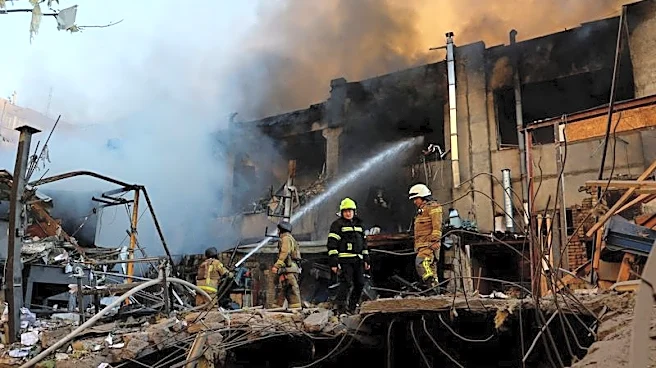
Ukrainian tennis player Oleksandra Oliynykova, who resides in Kyiv, has been vocal in her criticism of Russian athletes participating in international tournaments, particularly those sponsored by Russian state-owned companies. The Ukrainian Gymnastics Federation has also protested the return of Russian gymnasts to competitions, emphasizing the destruction and loss caused by the war. Ukrainian athletes are calling for continued sanctions and are urging the global sports community to recognize the impact of the conflict on Ukrainian sports and athletes.
Why It's Important?
The protests highlight the intersection of sports and politics, where international sports bodies' decisions can have significant geopolitical implications. The easing of bans on Russian athletes is seen by Ukraine as a form of legitimizing Russia's actions and undermining the international community's stance against the invasion. This situation underscores the role of sports as a platform for political expression and the potential for sports organizations to influence international relations. The protests also reflect the broader struggle for Ukraine to maintain international support and awareness of the ongoing conflict.
Beyond the Headlines
The situation raises ethical questions about the role of sports in global conflicts and the responsibilities of international sports organizations. Allowing Russian athletes to compete under their national symbols could be perceived as a normalization of the conflict, potentially diminishing the perceived severity of the situation. This could lead to a broader debate about the role of sports in political conflicts and the extent to which sports should remain apolitical. The protests by Ukrainian athletes serve as a reminder of the human cost of the conflict and the importance of maintaining international pressure on Russia.