







What's Happening?
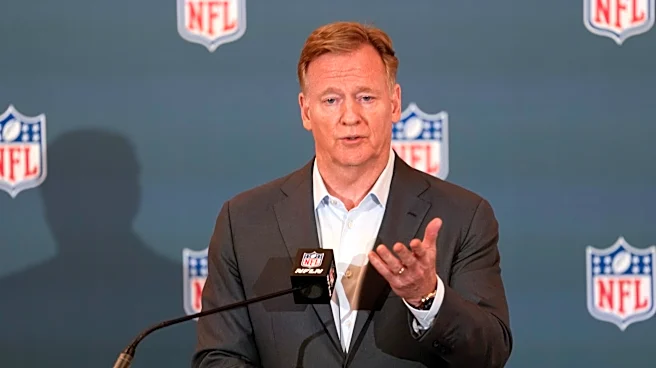
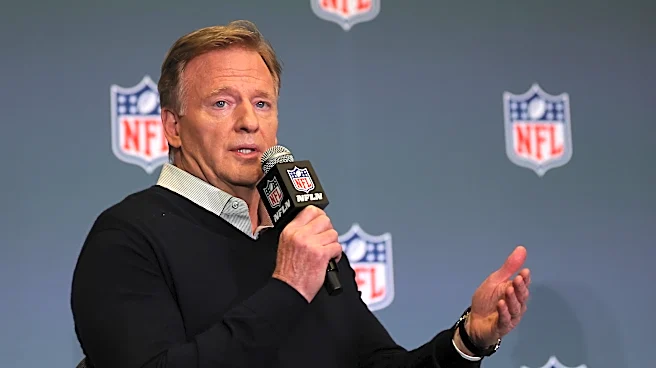
The U.S. Congress is scrutinizing the National Football League (NFL) over its broadcast contracts, particularly focusing on the shift from traditional television to subscription streaming services. The House Judiciary Committee has summoned NFL Commissioner
Roger Goodell to testify on June 10 regarding the league's game broadcast agreements. The inquiry centers on whether the NFL's distribution model complies with the U.S. Sports Broadcasting Act of 1961, which provides antitrust exemptions for professional leagues when selling television broadcasting rights. The committee, led by Chairman Jim Jordan, is examining if the current framework still serves the public interest, given the increasing fragmentation of sports broadcasts across multiple subscription services.
Why It's Important?
This congressional scrutiny highlights the growing tension between traditional broadcast models and modern streaming services. The outcome could significantly impact how sports content is distributed and accessed in the U.S. If Congress determines that the current model is outdated, it could lead to legislative changes affecting the NFL and potentially other sports leagues. This debate is crucial for consumers, as it addresses concerns about rising costs and accessibility of sports content. The NFL's current model, which involves multiple streaming platforms, could be seen as limiting access for fans who are now required to pay for several subscriptions to watch all games.
What's Next?
The upcoming hearing could lead to significant changes in how sports broadcasting rights are managed. If Congress decides that the 1961 Sports Broadcasting Act no longer adequately addresses the current media landscape, it may propose new regulations or amendments to ensure fair access and pricing for consumers. This could involve redefining the antitrust exemptions or imposing new transparency requirements on how games are distributed. The NFL will need to demonstrate that its current model still provides broad access to games, balancing commercial interests with consumer rights.
Beyond the Headlines
The broader implications of this debate extend to the entire sports broadcasting industry. As streaming services continue to grow, traditional media companies and local television stations may face challenges in maintaining their audience and revenue streams. This situation underscores the need for a regulatory framework that adapts to technological advancements while protecting consumer interests. The outcome of this congressional review could set a precedent for how other sports leagues negotiate their broadcasting rights in the digital age.