


What's Happening?
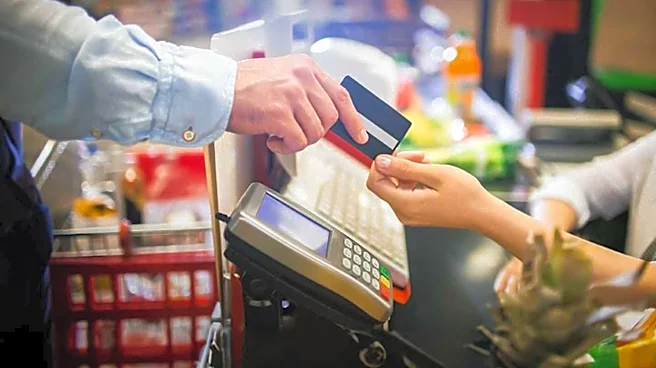
A growing number of shoppers are choosing to wait in line for a cashier rather than use self-checkout machines, which were initially introduced to make shopping faster and more convenient. According to discussions on platforms like Reddit and reports
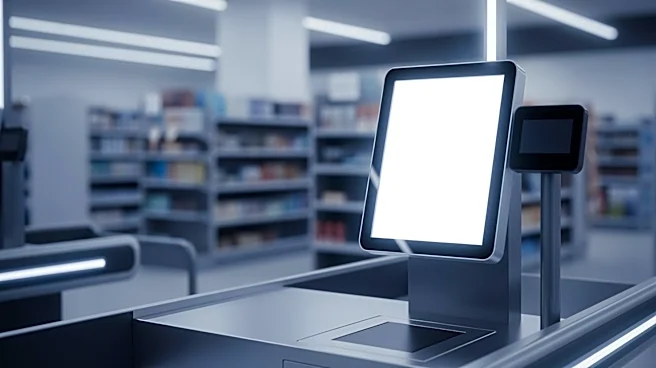
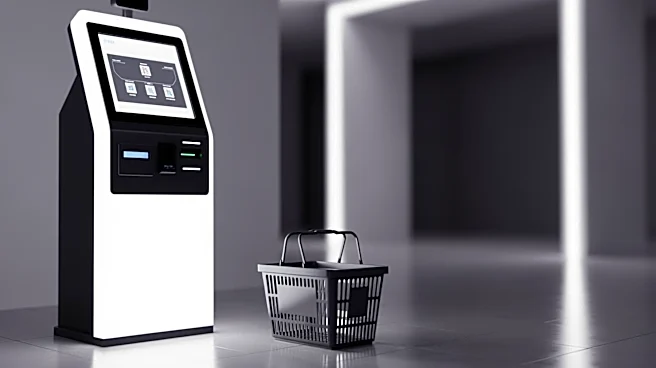
from NBC News, many consumers find self-checkout to be more stressful and time-consuming due to frequent technical issues and the need for assistance. Shoppers report that the machines often malfunction, leading to delays and frustration. Additionally, self-checkout is seen as impractical for those with full carts, as the limited space and awkward bagging setups can make the process chaotic. Many customers feel that using self-checkout is akin to performing unpaid labor, as they are required to scan, bag, and troubleshoot errors themselves, tasks traditionally handled by store employees.
Why It's Important?
The preference for cashier lines over self-checkout highlights a significant consumer pushback against automation in retail. This trend could impact employment in the retail sector, as the demand for human cashiers may increase if more shoppers continue to avoid self-checkout. The dissatisfaction with self-checkout also reflects broader concerns about the loss of personal interaction and the perceived dehumanization of the shopping experience. Retailers may need to reconsider their approach to automation and customer service, balancing technological advancements with the need for human touchpoints. The shift away from self-checkout could also influence store policies, potentially leading to a reduction in self-checkout lanes and an increase in staffed checkout counters.
What's Next?
Some major retailers are already responding to customer dissatisfaction by scaling back self-checkout systems and reintroducing more staffed lanes. This trend may continue as stores seek to address rising theft and improve customer satisfaction. Retailers might also explore hybrid models that combine the efficiency of technology with the personal service of human cashiers. As consumer preferences evolve, businesses will need to adapt their strategies to meet the demand for a more personalized and efficient shopping experience. The ongoing debate over automation versus human interaction in retail is likely to shape future industry practices and policies.
Beyond the Headlines
The resistance to self-checkout raises ethical and cultural questions about the role of automation in everyday life. As technology increasingly replaces human jobs, there is a growing concern about the societal impact of such changes. The choice to support cashier jobs by avoiding self-checkout reflects a broader desire to preserve human employment and resist the encroachment of machines into personal interactions. This sentiment may influence consumer behavior in other areas, prompting businesses to reconsider the balance between automation and human labor. The cultural implications of this shift could lead to a reevaluation of how technology is integrated into public spaces and services.