




What's Happening?
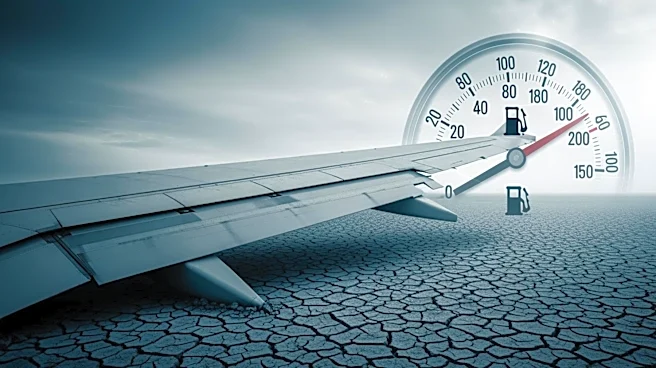
The travel industry is facing a significant challenge due to a jet fuel crisis, with Europe having only a few weeks of supply left. This situation has caused panic within the travel and tourism sectors, as the Strait of Hormuz remains closed, delaying
oil supply recovery. Airlines are expected to deal with canceled flights, increased operational costs, and prioritization decisions. The crisis highlights the importance of customer experience (CX) as a differentiator for brands. Companies are urged to enhance their digital communication strategies to manage customer expectations and maintain loyalty during disruptions.
Why It's Important?
The jet fuel crisis underscores the vulnerability of the travel industry to global geopolitical events. It emphasizes the critical role of customer experience in maintaining brand loyalty during times of disruption. As travelers face uncertainty, brands that effectively communicate and manage customer expectations are more likely to retain their clientele. The crisis serves as a reminder of the need for robust digital platforms and proactive communication strategies to mitigate the impact of such disruptions. Companies that prioritize CX can differentiate themselves and build long-term customer trust.
What's Next?
Travel brands are expected to reassess their customer experience strategies, focusing on digital communication and real-time updates to manage customer expectations. As the summer travel season approaches, companies will need to address potential disruptions proactively. The industry may see increased investment in AI-driven customer service tools to enhance communication and reduce call center pressure. Brands that successfully navigate this crisis by prioritizing customer experience are likely to emerge stronger and more resilient, setting a precedent for handling future disruptions.