





What's Happening?
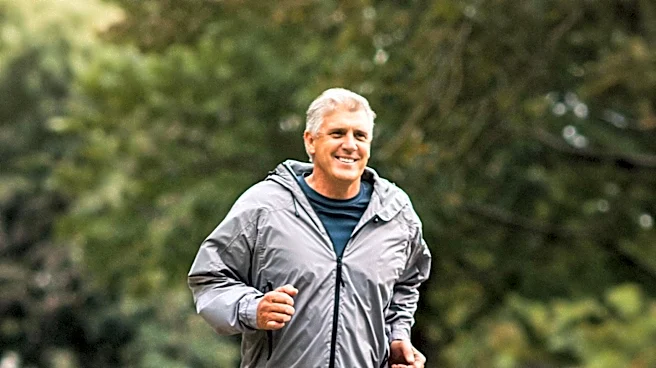
The article discusses the significance of maintaining fitness for men in their 50s, emphasizing the importance of running and strength training. According to benchmark data from Running Level, average one-mile times for men in this age group range from 10:42
for beginners to 6:33 for advanced runners. The article highlights that consistent training can help preserve fitness, speed, and endurance despite the natural decline in aerobic capacity with age. Running coach Ben Parkes suggests incorporating speed work and strength training, such as calf raises, squats, lunges, and planks, to improve performance and reduce injury risk. The data is drawn from recreational and competitive runners, and factors like training history and health conditions can impact performance.
Why It's Important?
Maintaining fitness in the 50s is crucial for health and independence. Regular exercise, including running and strength training, can help prevent age-related decline in physical capabilities. For men in their 50s, achieving a good mile time is a realistic and aspirational goal that can motivate continued physical activity. Strength training is particularly important for improving speed and reducing injury risk, which can enhance overall well-being and quality of life. The article underscores the broader significance of fitness in promoting longevity and preventing conditions like osteoporosis and sarcopenia, which are common in older adults.
What's Next?
Men in their 50s are encouraged to incorporate regular running and strength training into their routines. Following the advice of experts like Ben Parkes, they can focus on speed work and strength exercises to improve their mile times and overall fitness. As more individuals in this age group engage in fitness activities, there may be increased demand for tailored fitness programs and resources. Fitness professionals and organizations might develop specific training plans and support systems to cater to the needs of older adults, promoting a culture of health and wellness among seniors.
Beyond the Headlines
The emphasis on senior fitness highlights the cultural shift towards active aging and the importance of maintaining physical health in later life. As the population ages, there is a growing recognition of the need for accessible fitness opportunities for older adults. This trend could lead to increased investment in community fitness programs, age-friendly gym facilities, and public health initiatives aimed at encouraging physical activity among seniors. Additionally, the focus on fitness in older age groups may influence societal attitudes towards aging, promoting a more positive and proactive approach to health and wellness.