

What's Happening?
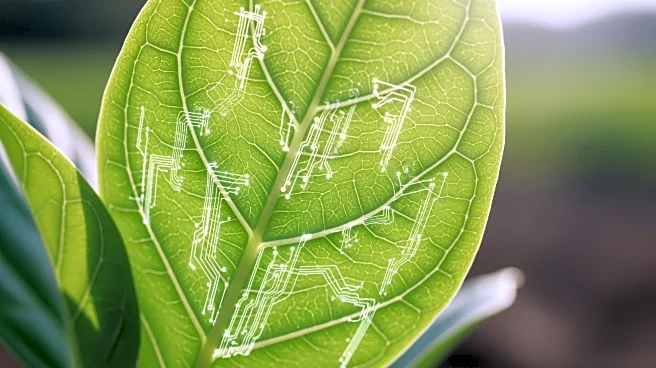
Nano farms are emerging as a transformative force in agriculture, integrating nanosensors, nano-fertilizers, nanopesticides, and smart delivery systems. These technologies enable precise monitoring and resource application, enhancing plant growth, reducing
input waste, and improving ecosystem resilience. Nano farms offer ultra-precision farming, resource savings, and sustainability by reducing pollution and supporting climate resilience. They are adaptable to diverse regions, including urban and drought-prone areas, and provide data-driven insights for proactive crop management.
Why It's Important?
The adoption of nano farms is crucial for addressing the growing global food demand and environmental challenges. By improving resource efficiency and crop productivity, nano farms can significantly contribute to food security and sustainable agriculture. They reduce chemical usage and environmental impact, making them ideal for regions facing resource constraints. The integration of nanotechnology in agriculture supports climate resilience and soil restoration, offering long-term benefits for ecosystems and agricultural productivity.
Beyond the Headlines
Nano farms represent a shift towards more sustainable and efficient agricultural practices. The use of nanotechnology raises ethical and regulatory considerations, particularly regarding the long-term effects of nanoparticles on health and the environment. As these technologies become more widespread, ensuring responsible use and monitoring will be essential. The potential for nano farms to extend beyond agriculture into forestry and mining highlights their versatility and the need for comprehensive regulatory frameworks.