

What's Happening?
igus has introduced the RBTX marketplace, a platform designed to streamline access to industrial automation technologies, including humanoid robots and automated guided vehicles (AGVs). This initiative was showcased at the Hannover Messe 2026, where igus highlighted
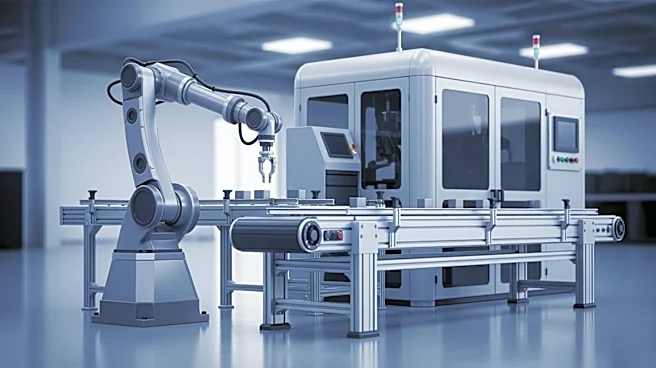
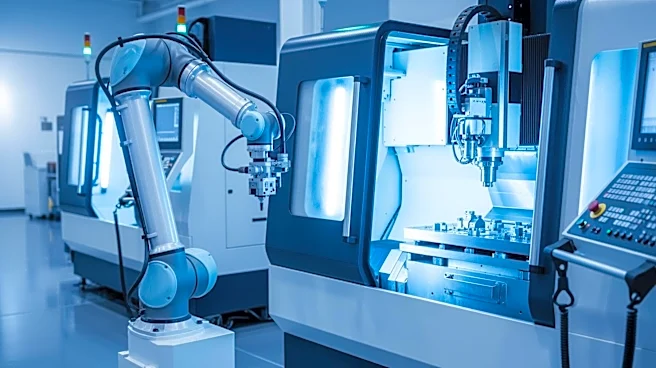
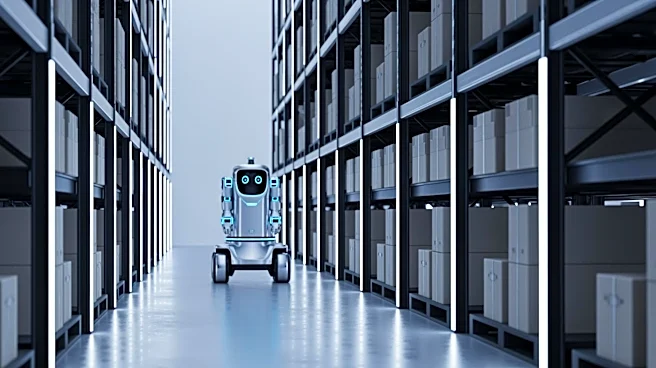
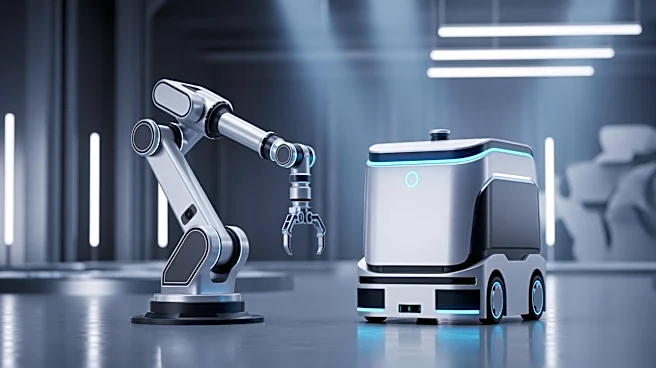
its extensive range of humanoid robots available through a single platform. The RBTX marketplace aims to reduce the complexity traditionally associated with robotics integration by allowing manufacturers to explore, compare, test, and deploy tailored robotics systems. The platform combines humanoid robots, collaborative systems, and mobile automation technologies, addressing labor shortages and enhancing operational flexibility in manufacturing and logistics industries. The AGVs showcased are intended to automate the movement of goods within production facilities, improving workflow efficiency and reducing manual handling requirements.
Why It's Important?
The introduction of the RBTX marketplace by igus represents a significant step towards democratizing access to advanced robotics technologies for industrial applications. By aggregating robotics suppliers and automation technologies within a single platform, RBTX lowers the barriers to automation adoption, particularly for companies that previously viewed robotics integration as too expensive or complex. This development is crucial as it supports broader end-to-end automation strategies, enabling mobile platforms and robotic systems to operate together within the same production environment. The focus on humanoid robotics and AGVs addresses current industry challenges such as labor shortages and the need for improved operational flexibility, potentially transforming manufacturing and logistics sectors by enhancing efficiency and reducing costs.
What's Next?
As the RBTX marketplace gains traction, it is expected to attract more manufacturers and automation suppliers looking to integrate advanced robotics into their operations. The structured deployment process offered by the platform, which includes application design, cost estimation, proof-of-concept development, system integration, and project execution, will likely facilitate smoother transitions to automated systems. This could lead to increased adoption of humanoid robots and AGVs across various industries, further driving innovation and efficiency in industrial processes. Additionally, the marketplace may expand its offerings to include more diverse robotics solutions, catering to a wider range of industrial needs.