
What's Happening?
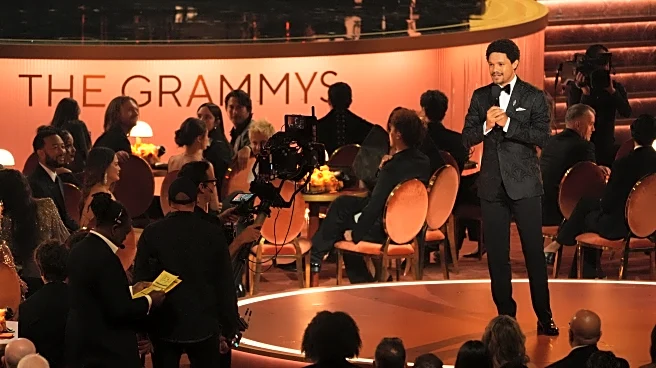
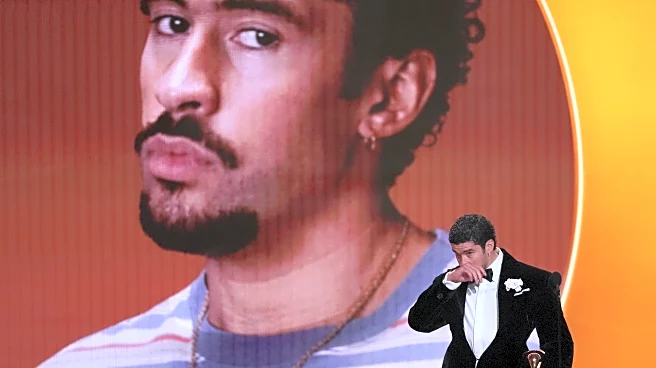
The 68th annual Grammy Awards, hosted by Trevor Noah, took place at the Crypto.com Arena in Los Angeles. Bad Bunny made history by winning Album of the Year for 'Debí Tirar Más Fotos,' marking the first
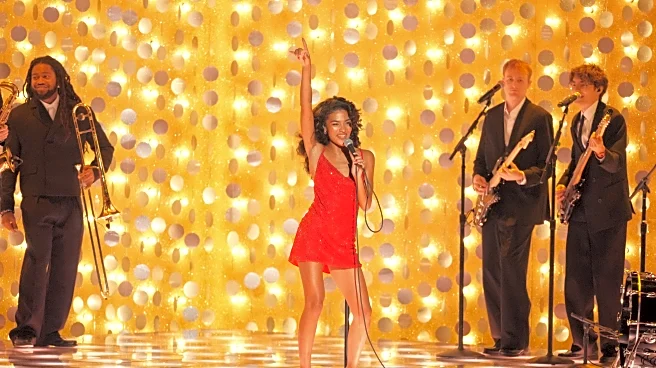
time a Spanish-language album has won this prestigious award. The album also topped the Billboard 200 and produced several Hot 100 hits. Other notable winners included Kendrick Lamar, who won five awards, including Best Rap Album for 'GNX,' and Billie Eilish, who won Song of the Year for 'Wildflower.' The event featured performances by Bruno Mars, ROSÉ, and Tyler, The Creator, among others. The ceremony was marked by artists using their acceptance speeches to speak out against U.S. Immigration and Customs Enforcement (ICE), with Billie Eilish notably declaring, 'No one is illegal on stolen land.'
Why It's Important?
Bad Bunny's win is significant as it represents a milestone for Spanish-language music in the U.S. music industry, highlighting the growing influence and acceptance of diverse cultural expressions. The Grammy Awards serve as a platform for artists to address social and political issues, and this year's focus on immigration and ICE reflects ongoing national debates about immigration policy and enforcement. The artists' statements may influence public opinion and policy discussions, emphasizing the role of music as a form of protest and advocacy. Additionally, the recognition of diverse musical genres and artists at the Grammys can impact the industry by encouraging inclusivity and broadening the scope of mainstream music.
What's Next?
Bad Bunny is set to perform at the Super Bowl LX Halftime Show, which is expected to further elevate his profile and influence in the music industry. The Grammy Awards' focus on immigration issues may prompt further discussions and actions from political leaders and advocacy groups. Artists may continue to use their platforms to address social issues, potentially leading to collaborations with organizations working on immigration reform. The success of Spanish-language music at the Grammys could inspire more artists to explore and promote diverse cultural expressions, potentially leading to increased representation in future award shows.
Beyond the Headlines
The Grammy Awards' emphasis on immigration issues highlights the intersection of art and activism, showcasing how artists can leverage their visibility to advocate for change. The event underscores the power of music as a unifying force that transcends cultural and linguistic barriers, fostering dialogue and understanding. The recognition of Spanish-language music at such a high-profile event may encourage the music industry to invest more in diverse artists and genres, potentially leading to a more inclusive and representative cultural landscape. This shift could have long-term implications for how music is produced, marketed, and consumed in the U.S.