






What's Happening?
The United States is facing criticism for its handling of the World Cup, with accusations of greed and hostility overshadowing the event. The tournament, which could have been an opportunity to showcase the best of the U.S., is instead marred by high
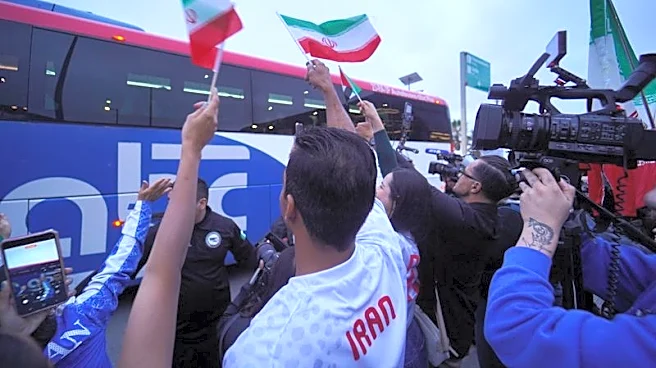
ticket prices and visa issues. Notably, Iran's team faced challenges, including relocating their base camp to Mexico and losing ticket allocations for fans. Additionally, Somali referee Omar Artan was denied entry to the U.S., raising questions about the country's commitment to the spirit of the World Cup. Critics argue that the U.S. has failed to embrace the unifying potential of the event, instead highlighting divisions.
Why It's Important?
The criticism of the U.S. World Cup hosting reflects broader concerns about inclusivity and accessibility in global events. The high costs and visa restrictions limit participation and enjoyment for ordinary fans and international teams, undermining the World Cup's spirit of unity and celebration. This situation could damage the U.S.'s reputation as a welcoming host and impact future opportunities to host international events. It also raises questions about the balance between commercial interests and the cultural and social values that such events are meant to promote.