





What's Happening?
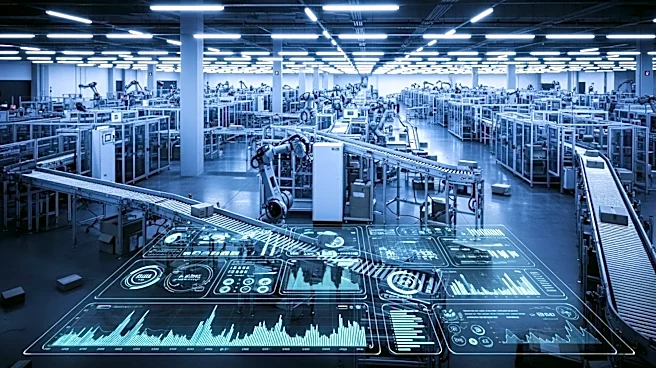
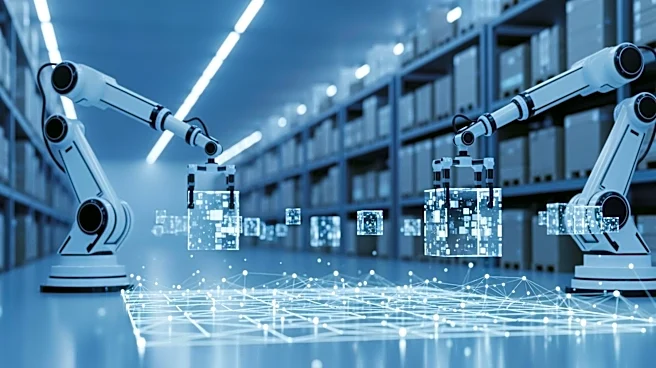
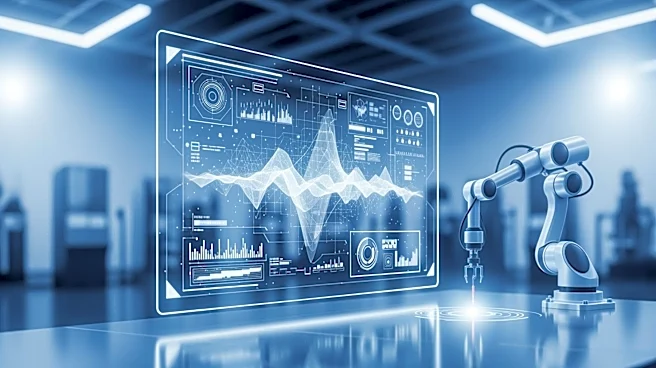
The integration of artificial intelligence (AI) and generative AI (Gen-AI) is transforming supply chain management by enhancing visibility, predictive modeling, and automation. Modern supply chain control towers are evolving from simple data aggregation
tools to sophisticated platforms capable of real-time decision-making and autonomous orchestration. These technologies enable organizations to simulate scenarios, prescribe trade-offs, and drive coordinated actions across suppliers, carriers, and customers. AI and Gen-AI are being used to optimize transportation routes, warehouse layouts, and inventory levels, thereby minimizing costs and maximizing efficiency. Additionally, AI automates routine tasks such as order processing and shipment tracking, reducing human error and improving overall supply chain responsiveness.
Why It's Important?
The adoption of AI and Gen-AI in supply chain management is crucial for organizations seeking to enhance their operational efficiency and resilience. By providing real-time insights and recommendations, these technologies enable supply chains to be more agile and responsive to disruptions. This is particularly important in today's volatile global market, where geopolitical shocks, environmental events, and rapid changes in consumer demand are common. Organizations that successfully integrate AI into their supply chain operations can achieve significant cost savings, improved service levels, and a competitive advantage. Furthermore, the ability to automate routine tasks allows human resources to focus on strategic planning and execution, thereby enhancing overall productivity.
What's Next?
As AI and Gen-AI technologies continue to mature, their role in supply chain management is expected to expand further. Organizations will likely invest in more advanced AI systems capable of autonomous decision-making with minimal human oversight. This shift will require robust data governance, ethical safeguards, and workforce upskilling to ensure effective collaboration between humans and AI-driven systems. The future of supply chain management will likely involve a greater emphasis on predictive and prescriptive analytics, enabling organizations to anticipate and mitigate potential risks proactively. As these technologies become more integrated into supply chain operations, they will play a critical role in shaping the future of global logistics and supply chain management.