






What's Happening?
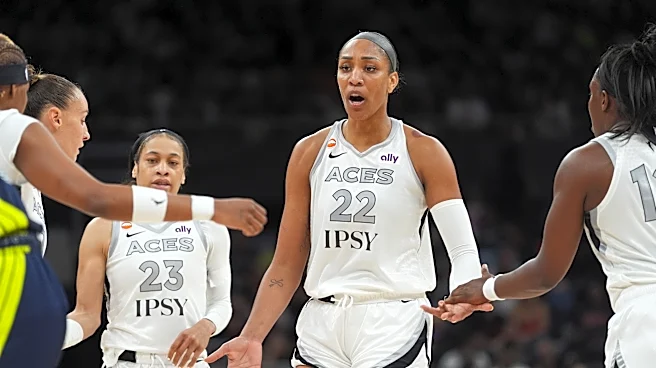
Minnesota Lynx star Napheesa Collier has publicly advocated for changes in the WNBA's officiating rules, citing the league's current level of physicality as a concern. In an interview on NPR's Morning Edition, Collier expressed that the game has become
too physical, likening it to the NBA of the 1980s. She noted that this level of physicality detracts from the enjoyment of both playing and watching the game. Collier emphasized that players adapt to the rules as they are, which currently allow for a high degree of physical contact. She suggested that altering the rules could open up the game offensively, making it more enjoyable for fans and players alike. The WNBA has faced ongoing complaints about officiating, with calls for changes to improve the flow and appeal of the game.
Why It's Important?
The call for rule changes in the WNBA highlights ongoing concerns about the league's physicality and its impact on the game's appeal. By addressing these issues, the WNBA could potentially enhance its marketability and fan engagement. Changes in officiating could lead to a more dynamic and offensive style of play, attracting a broader audience and increasing viewership. This could also have financial implications, as a more popular league could attract more sponsorships and media deals. For players, a less physical game could reduce the risk of injuries, prolonging careers and improving overall player satisfaction. The discussion initiated by Collier could prompt the league to consider reforms that align with the evolving expectations of players and fans.
What's Next?
While immediate changes to the WNBA's rules are unlikely with the season about to start, Collier's comments could spark a broader conversation about the future of the league's officiating standards. The WNBA may consider forming committees or working groups to explore potential rule changes for future seasons. Stakeholders, including players, coaches, and league officials, might engage in discussions to find a balance between maintaining competitive play and ensuring player safety and enjoyment. Any proposed changes would likely undergo a review process, with input from various parties to ensure they meet the needs of the league and its audience.