


What's Happening?
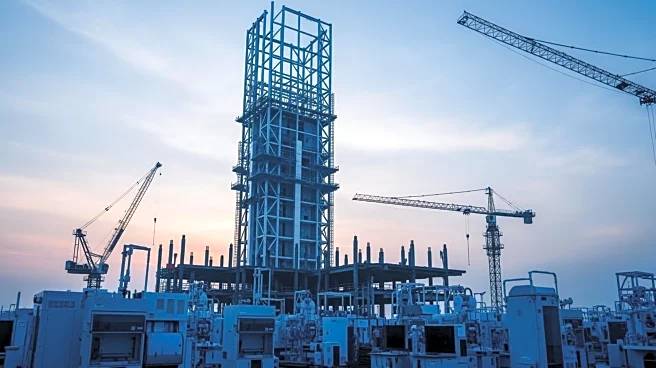
ArcelorMittal, the largest European steel producer, anticipates a recovery in production levels and profitability in 2026, driven by the implementation of the Carbon Border Adjustment Mechanism (CBAM) and new tariff rate quota measures. These trade protections are expected to enhance capacity utilization and market share in Europe. The company reported a decrease in European crude steel production in 2025 due to maintenance and the sale of its Bosnian operations. However, it plans to commission new capacity, including electric arc furnaces, to meet rising demand. ArcelorMittal's CEO, Aditya Mittal, highlighted the importance of these measures in leveling the playing field for European producers.
Why It's Important?
The introduction of CBAM and new tariffs is crucial
for the European steel industry, which has faced challenges from global competition and carbon costs. These measures aim to protect domestic producers by reducing imports and encouraging local production. For ArcelorMittal, this could mean increased utilization of existing facilities and the potential reopening of idled units, leading to job creation and economic growth in the region. The company's strategy reflects a broader trend towards enhancing domestic supply resilience in response to geopolitical volatility and trade dynamics.
What's Next?
ArcelorMittal plans to ramp up production with the commissioning of new facilities in 2026, including the Gijon electric arc furnace. The company expects to meet increased demand as European steel producers adjust to the new trade environment. The success of these measures will depend on their implementation and the response from global competitors. Additionally, the impact on steel prices and the broader market will be closely monitored, as these changes could influence global trade patterns and economic policies.