



What's Happening?
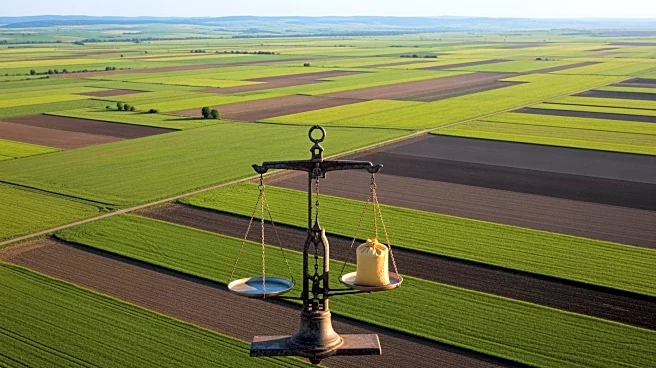
The Brazilian agribusiness sector is experiencing significant structural changes that are affecting the valuation of farmland. These changes include squeezed profit margins, increased competition, and consolidation among major players. As a result, rural
assets are now perceived not just as productive equity but also as strategic financial assets. This shift has made the valuation of rural properties a critical component in decision-making processes. The valuation process now involves multiple layers of analysis, including soil, climate, topography, water availability, and existing infrastructure. Additionally, the integration of technology and data intelligence, such as remote sensing tools and artificial intelligence, is redefining the sector by enabling deeper and more independent analyses.
Why It's Important?
The transformation in the valuation of farmland is crucial for various stakeholders, including investors, financial institutions, and agribusiness owners. Accurate valuation is essential for determining market value, which influences investment strategies, financial transactions, and corporate restructuring. The integration of technology in the valuation process ensures that assessments are based on verifiable technical evidence rather than solely on information provided by landowners. This precision is vital for financial institutions in defining collateral and credit terms, and for investors and owners in making informed decisions. The changes in the agribusiness sector reflect a broader trend towards data-driven decision-making, which could lead to more efficient and sustainable agricultural practices.
What's Next?
As the agribusiness sector continues to evolve, stakeholders are likely to increasingly rely on advanced technologies and data analytics to enhance the accuracy of farmland valuations. This trend may lead to more strategic investments and improved management of rural assets. Financial institutions might adjust their credit and collateral policies to align with the new valuation standards. Additionally, the ongoing consolidation among major players could result in further shifts in market dynamics, potentially affecting smaller agribusinesses. The sector's focus on data and governance is expected to drive continued innovation and efficiency improvements.
Beyond the Headlines
The shift towards data-driven valuation in agribusiness highlights the growing importance of technology in traditional industries. This trend may encourage other sectors to adopt similar approaches, leading to broader economic implications. The emphasis on accurate and independent valuation could also promote transparency and accountability in the agribusiness sector, potentially influencing regulatory frameworks. Furthermore, the integration of technology in farmland valuation may spur advancements in related fields, such as environmental monitoring and sustainable agriculture practices.