
What's Happening?
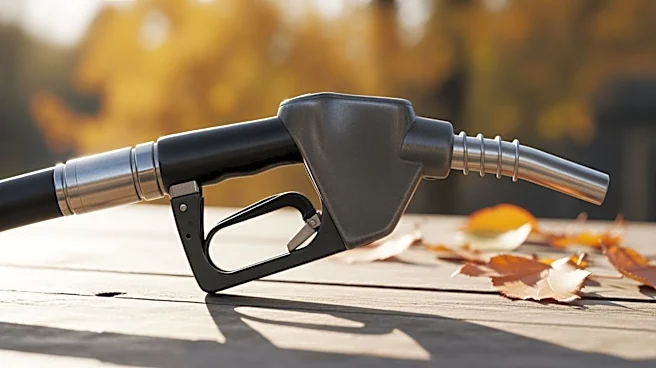
Georgia's temporary suspension of the 33-cent-per-gallon excise tax on gasoline, which was in effect from late March through early June, has concluded. This suspension, initially set to end on May 19,
was extended by Governor Brian Kemp through a state of emergency declaration. The suspension aimed to alleviate financial pressure on consumers amid rising fuel prices. As a result, the state experienced a significant decrease in motor fuel tax collections, amounting to a $199.6 million reduction in May compared to the previous year. Despite the suspension's end, the overall tax revenue for May was down by 12.6%, or $339.1 million, from the previous year, partly due to the lingering effects of Hurricane Helene, which delayed tax filings and shifted collections from April to May.
Why It's Important?
The reinstatement of the gas tax in Georgia marks a return to normalcy in state revenue collection, but it also highlights the financial impact of tax suspensions on state budgets. The $200 million shortfall in May underscores the delicate balance between providing immediate relief to consumers and maintaining essential state revenue streams. This situation is particularly significant as it reflects broader economic challenges, such as managing state finances amid natural disasters and fluctuating fuel prices. The decision to suspend the tax temporarily provided relief to consumers but also posed challenges for state budget planners who must account for such revenue fluctuations.
What's Next?
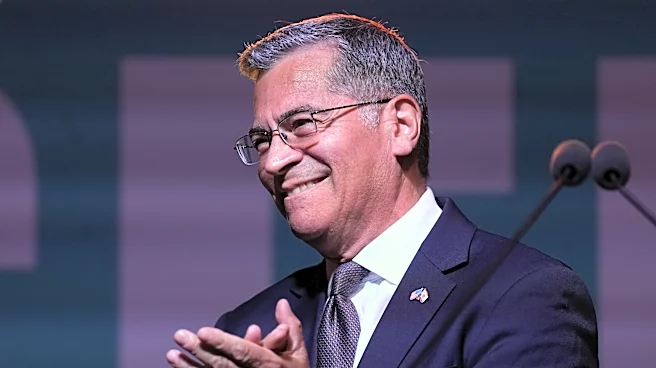
Governor Kemp has called for a special legislative session on June 17 to address the emergency tax suspension retroactively. This session will also focus on redrawing district lines, a critical political process. The outcome of this session could influence future tax policies and state budget allocations. Stakeholders, including lawmakers and economic planners, will need to consider the long-term implications of such tax suspensions and their impact on state finances. Additionally, the session may set precedents for how Georgia handles similar situations in the future, balancing consumer relief with fiscal responsibility.