



What's Happening?
The digital agriculture market is undergoing significant transformation as leading companies integrate advanced technologies to enhance farming practices. John Deere, a prominent player, has established a robust precision agriculture ecosystem by combining
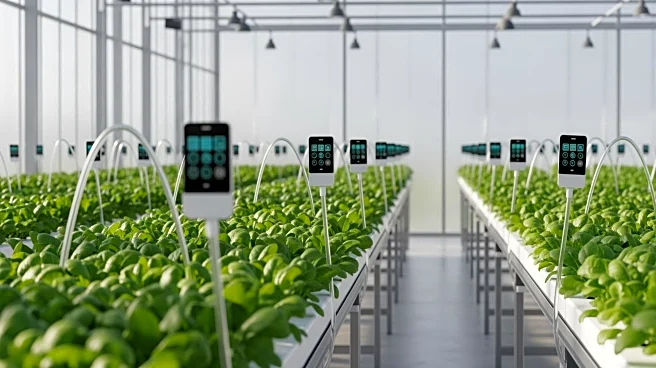
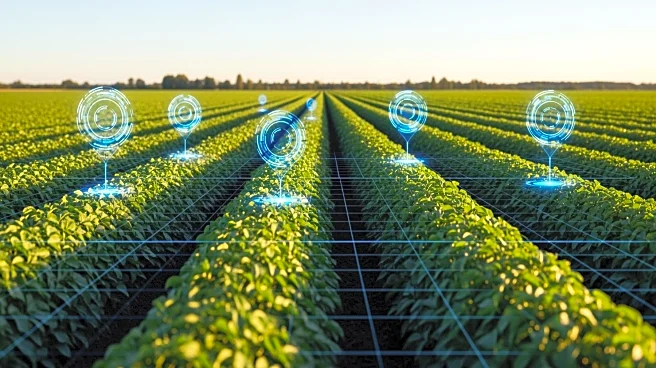
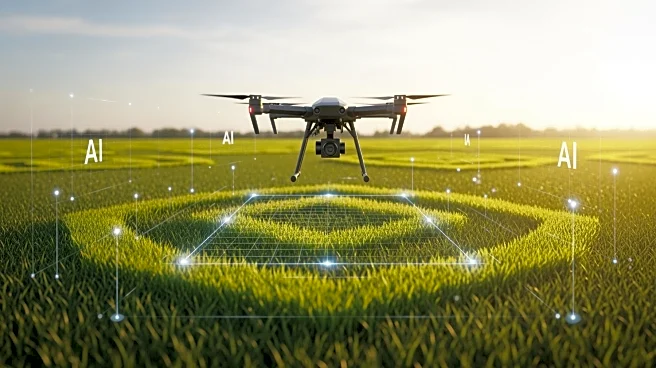
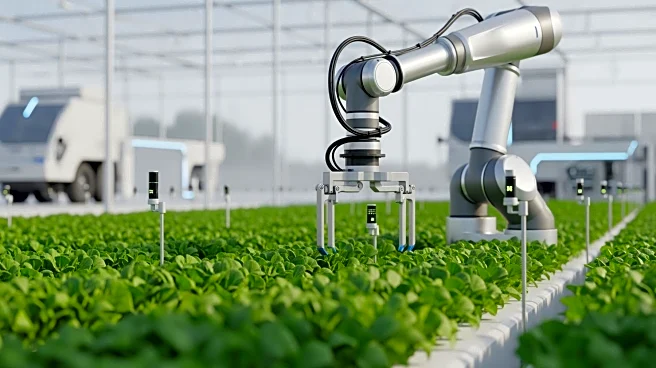
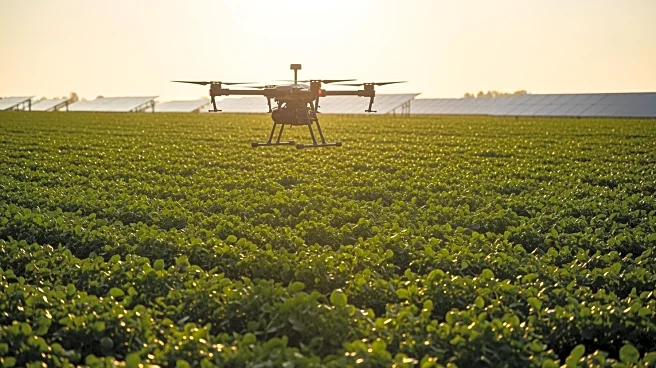
hardware like tractors with software platforms for real-time analytics and automation. The company's acquisition of ag-tech startups has bolstered its AI and machine learning capabilities, enabling features such as autonomous farming. Similarly, AGCO Corporation has expanded its digital agriculture portfolio through its Fuse technology platform, focusing on smart farming solutions that integrate equipment, data, and advisory services. The market is characterized by the integration of IoT sensors, artificial intelligence, satellite imaging, and data analytics, which are reshaping traditional farming practices to improve productivity and sustainability.
Why It's Important?
The advancements in digital agriculture are crucial as they address the growing challenges faced by the agricultural sector, including climate variability and resource constraints. By leveraging technology, these companies are not only enhancing productivity but also promoting sustainable farming practices. The integration of AI and machine learning into farm management systems allows for predictive analytics and automated decision-making, which can significantly improve crop yields and resource efficiency. This digital transformation is essential for meeting the increasing global food demand and ensuring food security. Additionally, the focus on sustainability aligns with global efforts to reduce environmental impact and promote eco-friendly agricultural practices.
What's Next?
The digital agriculture market is expected to continue evolving with further investments in AI-driven analytics and precision farming technologies. Companies are likely to pursue strategic collaborations and mergers to enhance their digital capabilities and expand their market presence. As governments in developing regions support digital transformation through subsidies and infrastructure development, there will be opportunities for companies to establish a strong foothold in these untapped markets. The emphasis on sustainability will drive the development of solutions that promote environmentally friendly farming practices, such as precision irrigation and reduced chemical usage.
Beyond the Headlines
The shift towards digital agriculture also raises important considerations regarding data privacy and cybersecurity. As farming systems become more connected, ensuring the security of agricultural data will be paramount. Additionally, the high initial costs of digital solutions may pose a barrier for small and medium-scale farmers, highlighting the need for affordable and accessible technologies. The regulatory landscape will also play a critical role in shaping the market, particularly concerning data ownership and usage rights. As the industry navigates these challenges, the potential for digital agriculture to revolutionize farming practices and contribute to global food security remains significant.