





What's Happening?
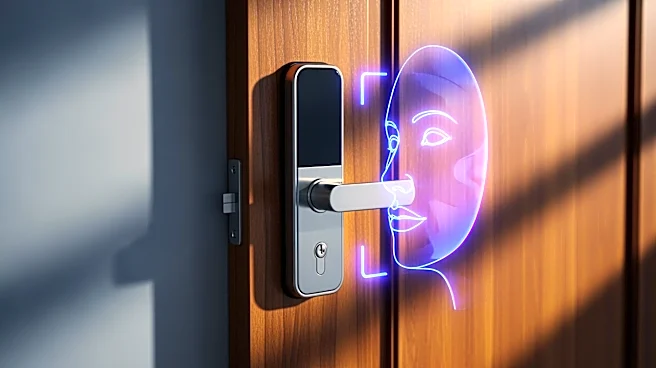
SwitchBot has launched a new line of smart locks, the Lock Vision and Lock Vision Pro, which utilize advanced 3D structured-light facial recognition technology. This technology allows for faster and more secure unlocking of doors by creating 3D facial maps
using 20,000 infrared points. The system is designed to recognize faces with millimeter-level precision and can unlock a door in just one second. It is resistant to spoofing attempts using photos or videos and functions even when users are wearing glasses, hats, wigs, or makeup. The Lock Vision Pro model includes additional features such as palm vein recognition, fingerprint unlocking, and multiple other unlocking methods including app control, NFC, and voice assistants. The device is powered by a 10,000-mAh rechargeable battery, which lasts up to 12 months on a single charge, and includes a backup battery for emergency unlocks.
Why It's Important?
The introduction of SwitchBot's smart locks with facial recognition technology represents a significant advancement in home security. By incorporating 3D structured-light technology, these locks offer a higher level of security and convenience compared to traditional locks. This innovation could influence the smart home industry by setting new standards for security features in consumer products. The ability to integrate with smart home ecosystems via Matter over Wi-Fi further enhances the appeal of these locks, making them a versatile option for tech-savvy homeowners. As security concerns continue to rise, products like these could become increasingly popular, potentially driving growth in the smart home market.
What's Next?
As SwitchBot's new smart locks enter the market, they may prompt other companies to develop similar technologies, leading to increased competition and innovation in the smart lock industry. Consumers can expect to see more products with advanced biometric security features as companies strive to meet the growing demand for secure and convenient home security solutions. Additionally, the integration of these locks with smart home ecosystems could lead to further developments in home automation, offering users more seamless and interconnected living environments.