





What's Happening?
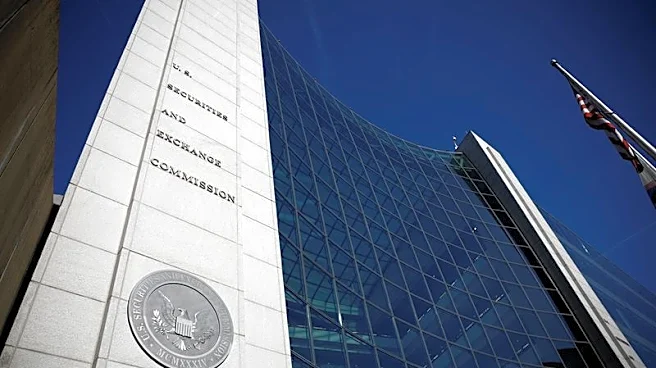
ZYUS Life Sciences Corporation, a clinical-stage life sciences company, has been issued a failure-to-file cease trade order (FFCTO) by the Ontario Securities Commission. This action was taken under Multilateral Instrument 11-103 due to the company's delay
in filing its annual audited financial statements for the fiscal year ending December 31, 2025. The delay is attributed to the additional time required to complete complex accounting and audit procedures, including the valuation of certain physical assets. ZYUS is working with its auditor, KPMG LLP, and expects to file the necessary documents by the week of May 18, 2026. Until the filings are completed, the FFCTO will remain in effect, prohibiting any trading of the company's securities.
Why It's Important?
The issuance of a cease trade order is significant as it impacts ZYUS's ability to trade its securities, potentially affecting its market value and investor confidence. This development underscores the importance of timely financial disclosures for maintaining transparency and trust with stakeholders. The delay in filing could also affect the company's strategic operations and its ability to secure future investments. For investors, this situation highlights the risks associated with investing in companies facing regulatory scrutiny. The outcome of this situation could influence the company's financial health and its capacity to continue developing non-opioid drug candidates, which are crucial for its business model.
What's Next?
ZYUS plans to resolve the filing issue by the week of May 18, 2026, which would allow the FFCTO to be lifted. The company is expected to continue working closely with its auditors to ensure compliance with regulatory requirements. Investors and stakeholders will be closely monitoring the situation to assess the company's ability to meet its filing commitments and the potential impact on its operations. The resolution of this issue will be critical for ZYUS to regain investor confidence and continue its business activities without further regulatory hindrances.