






What's Happening?
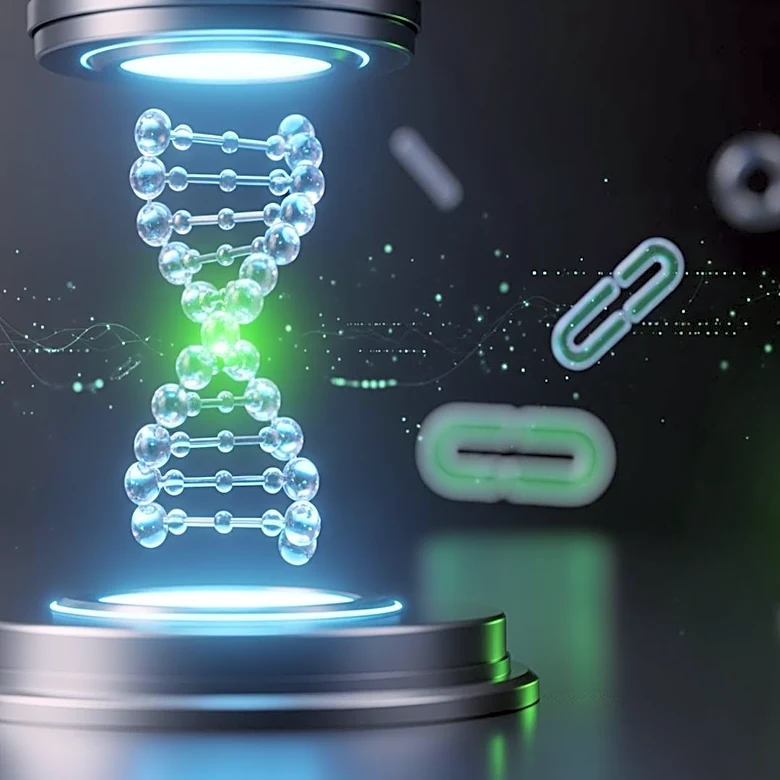
Serif Biomedicines, a company under Flagship Pioneering, presented promising preclinical data at the American Society of Gene and Cell Therapy (ASGCT) Annual Meeting 2026, showcasing their Modified DNA platform as a new class of genetic medicines. The platform aims
to overcome traditional barriers in DNA therapeutics, such as innate immune activation and inefficient nuclear access. The data demonstrated that Modified DNA, when combined with proprietary mRNA co-factors, can achieve high levels of gene expression with minimal immune response. The studies showed successful systemic tolerability in non-human primates and sustained gene expression in preclinical models, indicating potential applications in treating rare diseases and immune cell programming.
Why It's Important?
The introduction of Modified DNA as a therapeutic modality could revolutionize the field of genetic medicine. Traditional DNA therapies have been limited by challenges such as immune detection and inefficient delivery to the cell nucleus. Serif's platform addresses these issues, potentially enabling more effective and durable treatments for genetically defined diseases. This advancement could lead to new treatment options for conditions that currently have limited therapeutic solutions, offering hope to patients with rare diseases. Additionally, the ability to program and re-dose DNA medicines could provide significant advantages over existing gene therapy approaches, potentially reducing treatment costs and improving patient outcomes.
What's Next?
Following the promising preclinical results, Serif Biomedicines is likely to advance their Modified DNA platform into clinical trials to further evaluate its safety and efficacy in humans. The company may also explore partnerships with pharmaceutical companies to accelerate the development and commercialization of their technology. Regulatory approval will be a critical step, requiring comprehensive data on the platform's performance and safety. As the technology progresses, it could attract interest from investors and stakeholders in the biotechnology and pharmaceutical industries, potentially leading to collaborations and funding opportunities.
Beyond the Headlines
The development of Modified DNA therapies raises important ethical and regulatory considerations. Ensuring the safety and efficacy of these therapies will be paramount, particularly given the potential for long-term genetic modifications. Regulatory bodies will need to establish guidelines for the use of Modified DNA in clinical settings, balancing innovation with patient safety. Additionally, the success of this platform could stimulate further research into synthetic biology and genetic engineering, potentially leading to new breakthroughs in personalized medicine and biotechnology.