





What's Happening?
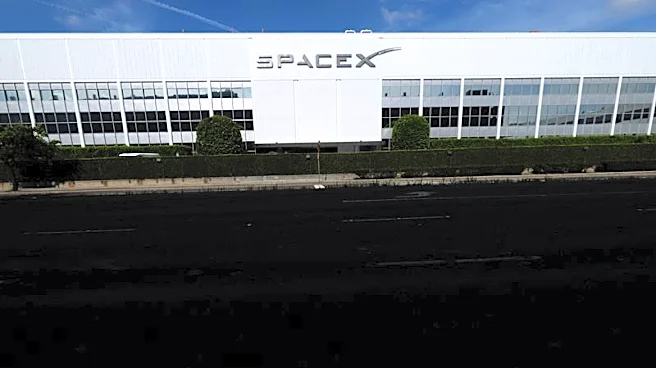
SpaceX, led by Elon Musk, is heavily dependent on its Starlink division for growth and profitability as it prepares for a potential Nasdaq listing. Starlink, which provides global high-speed internet via a constellation of over 10,200 satellites, generated
$11.39 billion in revenue last year, making up 61% of SpaceX's total sales. This figure increased to 69% in the first quarter of this year. Starlink was the only profitable division, earning $4.42 billion, while other divisions, including the rocket launching unit and AI division, reported losses. Starlink's user base has more than doubled to 10.3 million in the first quarter compared to the previous year. The service is available in over 160 countries and is used by airlines for in-flight internet. SpaceX's IPO filing indicates significant capital expenditures, primarily for AI, and highlights Starlink's role as a financial backbone for the company.
Why It's Important?
The reliance on Starlink underscores its critical role in SpaceX's financial strategy, especially as the company eyes a public offering. Starlink's success is pivotal for funding SpaceX's ambitious projects, including Mars colonization and orbital data centers. The division's profitability contrasts with the losses in other areas, highlighting its importance in sustaining SpaceX's broader goals. The expansion of Starlink's satellite network also positions SpaceX as a leader in the competitive satellite internet market, challenging companies like Amazon and OneWeb. The outcome of SpaceX's IPO and Starlink's continued growth could significantly impact the satellite internet industry and SpaceX's ability to pursue its long-term space exploration and AI ambitions.
What's Next?
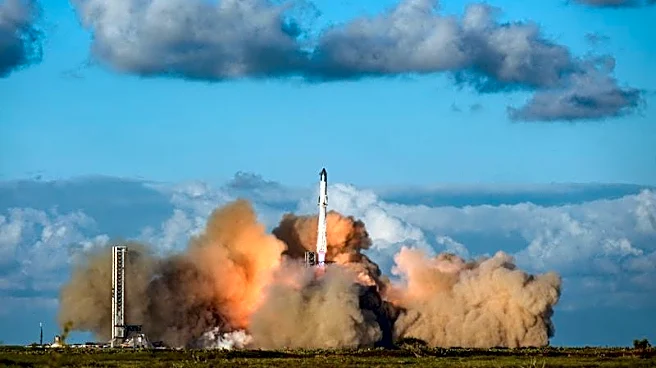
SpaceX plans to expand its Starlink satellite network, having filed with the FCC to launch up to 1 million satellites. This expansion is crucial for maintaining its market dominance and supporting its IPO ambitions. However, regulatory and licensing approvals are necessary for further growth. SpaceX also faces challenges related to satellite lifespan and space debris, which could impact its operations. The company's plans for orbital data centers, expected as early as 2028, depend on overcoming technical and logistical hurdles. The success of these initiatives will influence SpaceX's future trajectory and its ability to achieve its space exploration and AI goals.
Beyond the Headlines
Starlink's expansion raises concerns about space debris and the potential for Kessler syndrome, a chain reaction of satellite collisions. Environmental groups have urged SpaceX to consider the impact on the night sky and conduct environmental assessments. Additionally, geopolitical factors, such as regulatory challenges in countries like Taiwan and Namibia, highlight the complexities of operating a global satellite network. These issues underscore the broader implications of SpaceX's satellite ambitions, including ethical and environmental considerations that could shape the future of space technology.