
What's Happening?
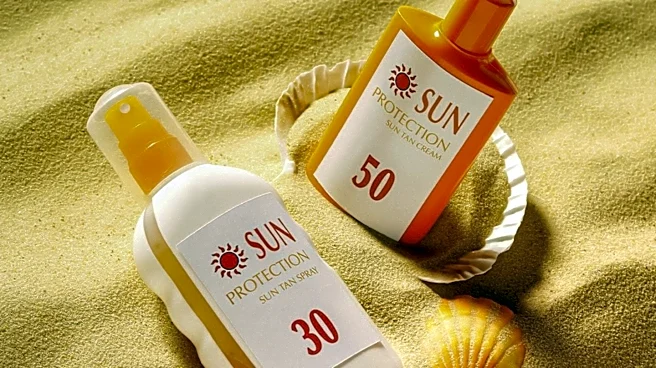
A recent report by the Australian consumer activist group Choice has revealed that 16 out of 20 tested sunscreens did not meet their claimed SPF 50+ ratings. This has led to the recall or suspension of sales
for over 18 sunscreens from well-known Australian brands such as Cancer Council, Ultra Violette, and Naked Sundays. The issue is not limited to Australian brands, as international brands like Neutrogena, Banana Boat, and Nivea have also been found lacking in their SPF claims. The findings have prompted the Australian Therapeutic Goods Administration (TGA) to announce plans to overhaul sunscreen testing requirements and ensure laboratory accreditation to restore consumer trust in SPF labels.
Why It's Important?
The revelation that many sunscreens do not meet their advertised SPF ratings is significant for consumers who rely on these products for protection against harmful UV rays. This issue raises concerns about the effectiveness of sun protection products and the potential health risks associated with inadequate sun protection, such as skin cancer. The TGA's response to tighten testing requirements is crucial to ensure that consumers can trust the SPF labels on sunscreen products. This development also highlights the importance of independent testing and the need for consumers to be vigilant about the authenticity and storage of imported sunscreens.
What's Next?
In response to the report, the TGA is expected to implement stricter testing protocols and require laboratories to be accredited, which will help ensure the accuracy of SPF claims. Brands affected by the report may need to reformulate their products and improve their testing processes to comply with the new regulations. Consumers are advised to research their sunscreen products and consider using additional sun protection measures, such as wearing sun-protective clothing and seeking shade, to ensure adequate protection.
Beyond the Headlines
The issue of sunscreen efficacy extends beyond consumer trust and touches on broader regulatory challenges. The differences in sunscreen regulations between countries, such as the U.S. and Australia, highlight the complexities of global product standards. The slow approval process for new UV filters in the U.S. compared to Australia underscores the need for regulatory bodies to adapt to scientific advancements to ensure consumer safety. This situation also emphasizes the role of consumer advocacy groups in holding companies accountable and driving regulatory changes.