






What's Happening?
President Trump has publicly encouraged companies not to seek refunds on tariffs that were deemed unlawful by the Supreme Court. This follows a decision that struck down a significant portion of tariffs imposed under the International Emergency Economic
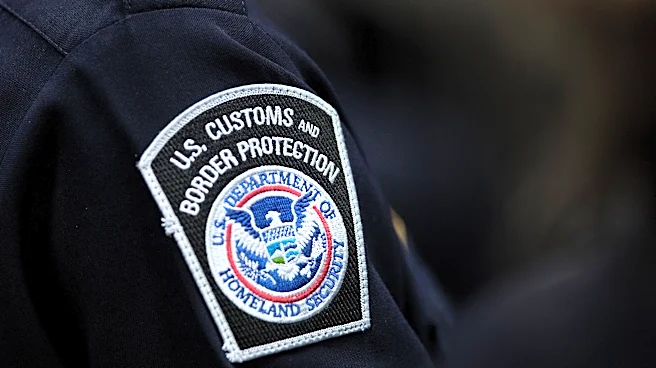
Powers Act. The U.S. Customs and Border Protection has launched a portal for importers to file refund requests, potentially amounting to over $160 billion. Despite this, President Trump has suggested that companies like Amazon and Apple should not pursue these refunds, implying that he would remember those that comply with his request. Companies such as Costco and FedEx have filed lawsuits to preserve their rights to refunds, while UPS has stated it will pass any refunds received to its customers.
Why It's Important?
The Supreme Court's decision and President Trump's subsequent comments highlight a significant moment in U.S. trade policy, potentially affecting billions in tariff refunds. This situation underscores the tension between government policy and corporate interests, as companies weigh the financial benefits of seeking refunds against potential political repercussions. The outcome could influence future trade policies and the relationship between the government and major corporations. Additionally, the decision could set a precedent for how similar cases are handled, impacting international trade dynamics and the U.S. economy.
What's Next?
As companies decide whether to pursue refunds, the legal and political landscape may shift. The administration's efforts to restore tariff revenue through other means could lead to new trade policies or tariffs. The response from major corporations will be closely watched, as their actions could influence public perception and future government interactions. The situation may also prompt further legal challenges or legislative actions to address the implications of the Supreme Court's ruling.