





What's Happening?
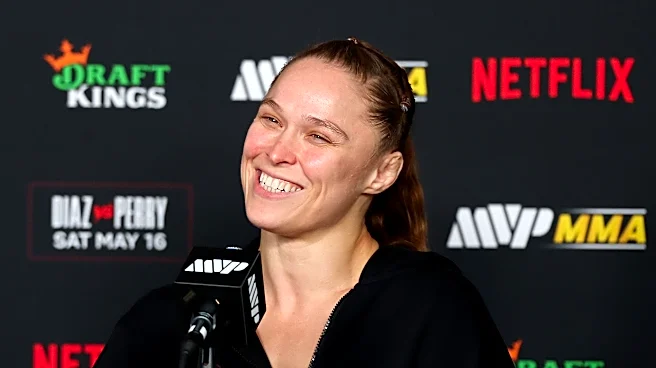
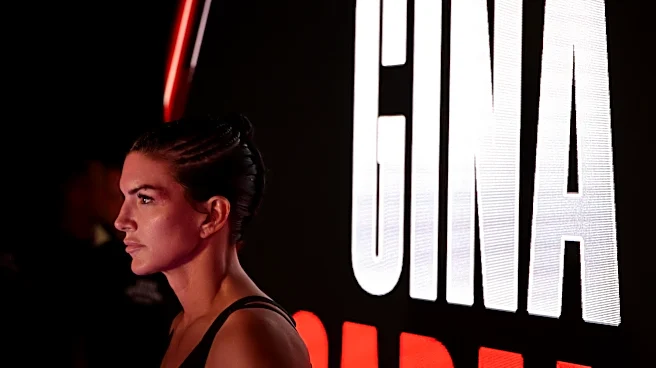
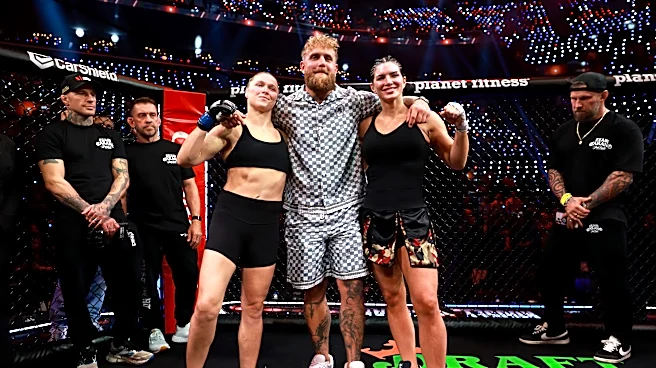
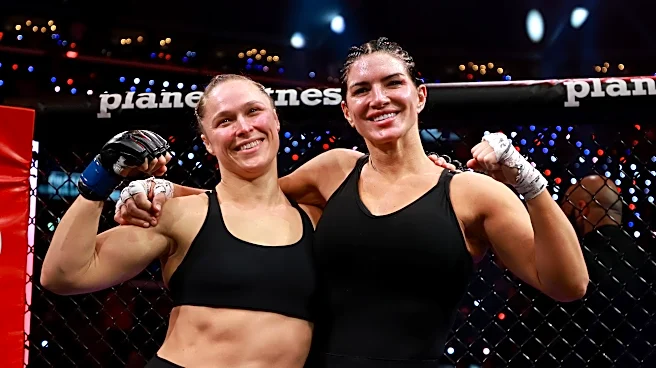
MVP MMA, co-owned by Jake Paul and Nakisa Bidarian, is set to continue its partnership with Netflix after a successful debut event featuring a fight between Ronda Rousey and Gina Carano. The event, which was well-received by Netflix, showcased high viewership
and energy, prompting Netflix to express interest in further collaborations. Bidarian confirmed that while no official deal has been finalized, discussions are ongoing, and both parties are optimistic about future projects. The partnership aims to leverage Netflix's vast subscriber base to expand MMA's reach and storytelling capabilities. Additionally, MVP MMA is exploring opportunities to collaborate with smaller promotions to access a broader pool of talent.
Why It's Important?
The continuation of the partnership between MVP MMA and Netflix signifies a significant shift in how combat sports are distributed and consumed. With Netflix's global reach of 325 million subscribers, MMA can tap into a vast audience, potentially increasing its popularity and marketability. This collaboration also highlights the growing trend of streaming platforms investing in live sports content, which could reshape traditional broadcasting models. For Netflix, this partnership represents an opportunity to diversify its content offerings and attract sports fans, while MVP MMA benefits from increased visibility and potential revenue streams. The involvement of high-profile figures like Jake Paul and Ronda Rousey further elevates the sport's profile and appeal.
What's Next?
As MVP MMA and Netflix continue discussions, the focus will likely be on structuring future events and collaborations. The potential for licensing talent from other promotions like PFL and ONE Championship could introduce new fighters to a global audience, enhancing the sport's diversity and appeal. Stakeholders in the sports and entertainment industries will be watching closely to see how this partnership evolves and whether it sets a precedent for similar collaborations. The success of this venture could encourage other streaming platforms to explore partnerships with sports organizations, further blurring the lines between traditional and digital media.