
What's Happening?
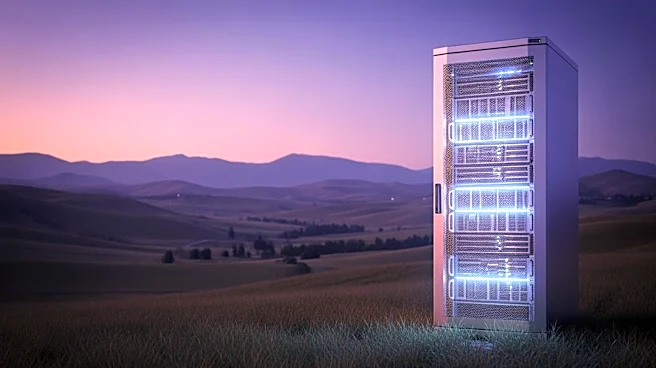
A new report highlights a significant shift in the location of data center growth in the United States, moving from urban and suburban areas to rural regions, including the Mountain West. This expansion
is largely driven by the increasing demand for artificial intelligence and cloud computing, which require substantial energy, water, and infrastructure. According to the Pew Research Center, approximately 1,500 new data centers are in various stages of planning or development, with nearly 40% of these projects planned for counties currently without any data centers. Historically, about 90% of operational data centers have been located in urban or suburban areas. However, the trend is now extending to rural areas, with significant construction activity in the South and Midwest, particularly in Virginia and Texas. In the Mountain West, states like Arizona, Nevada, Colorado, and Utah have existing facilities, but new proposals are emerging in places like Reno, Denver, and Phoenix, facing local pushback due to concerns over resource usage and environmental impact.
Why It's Important?
The shift of data center growth to rural areas has significant implications for local economies and environments. On one hand, it presents opportunities for economic development and job creation in regions that may benefit from new infrastructure investments. On the other hand, the construction and operation of data centers can strain local resources, particularly water and energy, and raise environmental concerns such as noise and air pollution. As data centers become more prevalent in rural areas, public awareness and scrutiny are likely to increase, potentially influencing local policy and community responses. This trend also reflects broader changes in the tech industry, as companies seek to optimize costs and efficiency by locating facilities in less densely populated areas.
What's Next?
As the trend of data center expansion into rural areas continues, communities and policymakers will need to address the challenges and opportunities it presents. Local governments may need to develop new regulations and infrastructure to support these facilities while mitigating environmental impacts. Community engagement and public awareness campaigns could play a crucial role in shaping the future of data center development. Additionally, as more projects are proposed in areas without prior experience hosting such facilities, there may be increased advocacy for sustainable practices and resource management to balance economic benefits with environmental stewardship.
Beyond the Headlines
The expansion of data centers into rural areas could have long-term cultural and social implications. As these facilities become more common, they may influence local demographics, attracting a workforce skilled in technology and infrastructure management. This could lead to shifts in community dynamics and economic structures, potentially fostering new industries and educational opportunities. Moreover, the increased presence of data centers might prompt broader discussions about the role of technology in society and the need for sustainable development practices that align with community values and environmental goals.