







What's Happening?
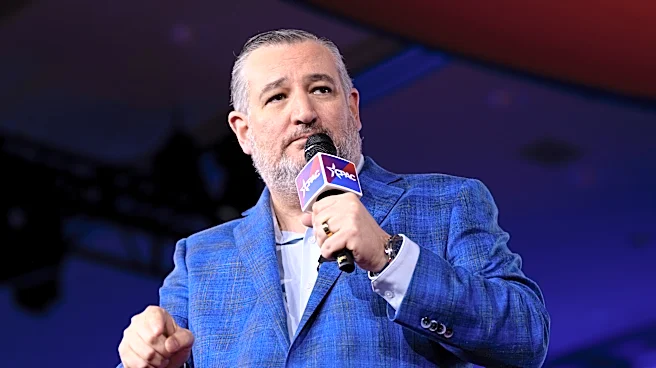
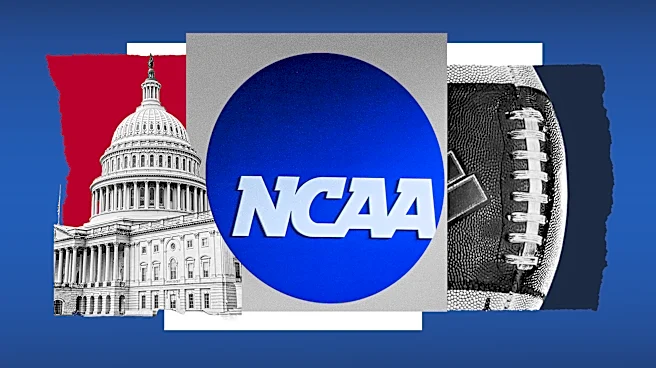
The Protect College Sports Act, introduced by Senators Ted Cruz and Maria Cantwell, proposes significant changes to college sports governance. The bill aims to prevent the formation of a super league, establish a five-year eligibility limit, and allow
conferences to pool media rights. It also suggests creating a hard cap for Name, Image, and Likeness (NIL) deals. The bill's introduction comes amid discussions within the SEC about collective bargaining and potentially breaking away from the NCAA to govern itself.
Why It's Important?
The proposed legislation could reshape the landscape of college sports by addressing key issues such as athlete compensation, eligibility, and media rights. If passed, the bill could lead to more equitable distribution of resources and opportunities for athletes, while also impacting how conferences manage their media deals. The SEC's consideration of self-governance highlights the growing desire for autonomy among major conferences, which could lead to significant shifts in how college sports are organized and regulated.
What's Next?
The bill will undergo further discussions and potential revisions as it moves through the legislative process. The SEC and other conferences will likely continue to explore governance models that align with their interests, potentially leading to new regulatory frameworks. The outcome of these developments could have lasting implications for the structure and governance of college sports, affecting athletes, institutions, and stakeholders across the industry.