



What's Happening?
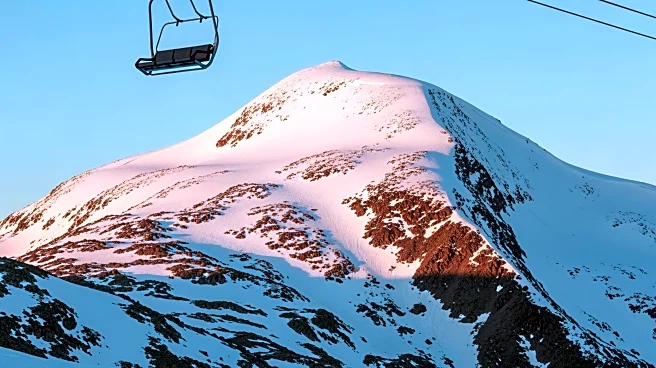
The future of the Winter Olympics is under threat due to climate change, which is causing warmer temperatures and reduced snowfall in many traditional host locations. According to a study conducted in 2024, only 52 out of 93 past and potential Winter Olympics host sites will remain suitable by the 2050s if countries adhere to their climate policies. The situation is even more dire for the Paralympics, with only 22 sites expected to have reliable climate conditions by mid-century. The study highlights the impact of climate change on winter sports, with athletes like Jessie Diggins expressing concern over the changing conditions, such as rain during World Cup events and the necessity of artificial snow. The International Olympic Committee is considering
more flexible approaches to hosting the Games, including merging the Olympics and Paralympics or moving events earlier in the year.
Why It's Important?
The implications of climate change on the Winter Olympics are significant, affecting not only the viability of the Games but also the broader winter sports industry. As temperatures rise and snowfall decreases, the economic impact on regions that rely on winter sports tourism could be substantial. The need for artificial snow increases costs and raises environmental concerns due to high energy and water consumption. Additionally, the loss of natural snow affects water supplies, agriculture, and hydroelectric power generation, posing an existential crisis for billions who depend on snow for water. The Winter Olympics serve as a high-profile event that can draw attention to the urgent need for climate action, highlighting the real-world impacts of climate change on sports and society.
What's Next?
The International Olympic Committee is developing strategies to adapt the Winter Games to a changing climate, including contractual requirements for future hosts to minimize environmental impact. The potential merging of the Olympics and Paralympics or shifting event dates are being considered to ensure the Games' sustainability. As climate change continues to reshape winter sports, stakeholders must address the environmental challenges and explore sustainable practices to preserve the future of winter sports and the Winter Olympics.
Beyond the Headlines
The reliance on artificial snow for the Winter Olympics raises ethical and environmental questions about the sustainability of the Games. Critics argue that the focus should be on how the Games contribute to climate change rather than just how climate change affects the Games. The high energy and water demands of snowmaking technology highlight the need for sustainable practices in winter sports. The broader cultural impact of losing traditional winter conditions affects communities and individuals who cherish winter activities, emphasizing the importance of preserving winter environments for future generations.