







What's Happening?
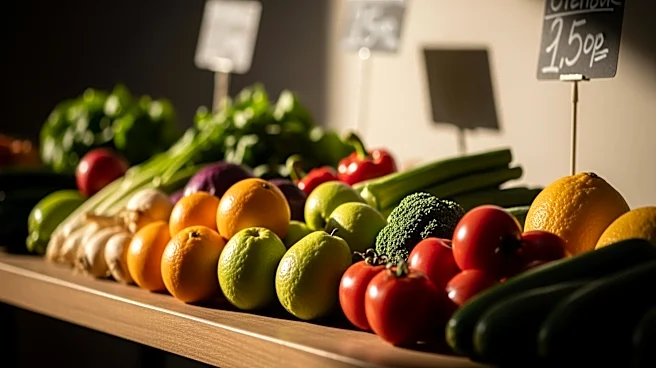
The increase in produce prices is becoming a significant concern for businesses and consumers, with tariffs being a primary factor. Restaurant owners are particularly affected, as they face rising costs for essential ingredients like tomatoes. To cope
with these challenges, some are adopting creative strategies to manage expenses and maintain profitability. The situation highlights the broader impact of trade policies on the food industry and consumer prices.
Why It's Important?
Rising produce prices can have a ripple effect across the food industry, affecting everything from restaurant menus to grocery store shelves. As businesses face higher costs, they may pass these on to consumers, leading to increased food prices and potentially reduced consumer spending. This situation underscores the importance of trade policies and their direct impact on everyday expenses for businesses and households. The ability of businesses to adapt to these changes will be crucial in maintaining economic stability and consumer satisfaction.
What's Next?
Businesses will need to continue finding innovative ways to manage rising costs, potentially exploring alternative suppliers or adjusting their offerings. Policymakers may also need to consider the broader implications of tariffs and trade policies on the economy and consumer prices. The ongoing adjustments in the food industry will be closely watched by stakeholders, including consumers, businesses, and government officials, as they navigate these economic challenges.