

What's Happening?
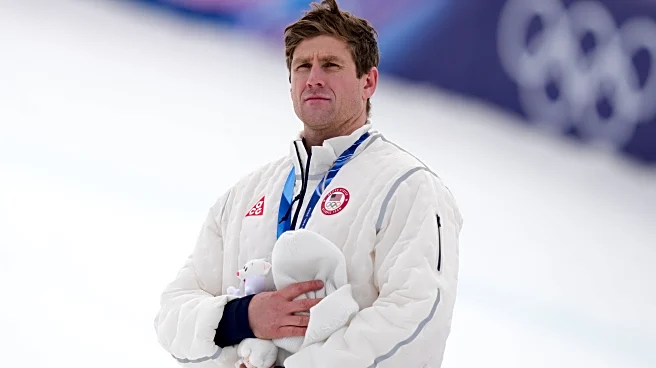
During the 2026 Winter Olympics, U.S. Olympic curler Rich Ruohonen publicly criticized the Immigration and Customs Enforcement (ICE) and expressed support for protestors in Minnesota. In a press conference, Ruohonen, who is also a lawyer, highlighted the ongoing protests in Minnesota, emphasizing the constitutional rights to freedom of press and speech. He praised the protestors for their compassion and integrity, despite the controversy surrounding their actions. Ruohonen's comments have sparked debate, as he criticized the federal enforcement of immigration laws, which some argue is constitutionally supported by the supremacy clause. His statements have added to the political discourse among U.S. athletes at the Olympics, who have been vocal
about various domestic issues.
Why It's Important?
Ruohonen's remarks highlight the intersection of sports and politics, particularly as athletes use their platforms to address social and political issues. His criticism of ICE and support for protestors in Minnesota underscores the ongoing national debate over immigration enforcement and states' rights. The situation reflects broader tensions between federal authority and local actions, as well as the role of athletes in political discourse. Ruohonen's stance may influence public opinion and spark further discussions on the responsibilities of athletes representing their country on the international stage. The incident also raises questions about the impact of political statements on team dynamics and public perception of the Olympics.
What's Next?
The controversy surrounding Ruohonen's comments may lead to further scrutiny of athletes' political statements during the Olympics. It could prompt discussions within the U.S. Olympic Committee about guidelines for athletes' public expressions. Additionally, the situation in Minnesota may continue to evolve, potentially affecting local and national policies on immigration enforcement. Stakeholders, including political leaders and civil rights groups, may respond to Ruohonen's comments, influencing future protests and policy decisions. The broader implications for athlete activism and its impact on international sports events may also be explored in the coming months.