


What's Happening?
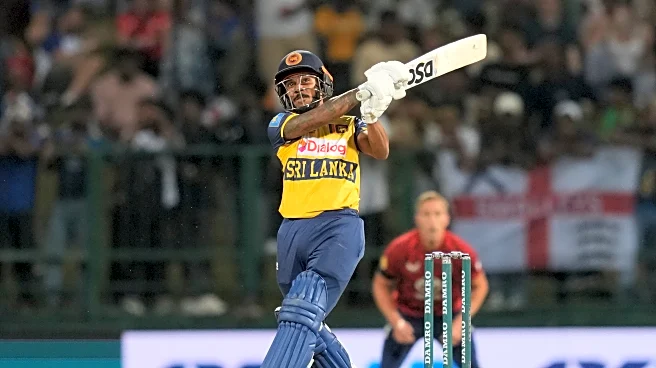
The Pakistan Cricket Board (PCB) is currently in discussions with the International Cricket Council (ICC) regarding a potential boycott of the T20 World Cup 2026 match against India. The PCB has put forward three key demands to the ICC: a larger share of revenue, the resumption of bilateral cricket ties with India, and addressing the no-handshake ritual by the Indian team. These demands were discussed in a meeting attended by ICC Deputy Chairman Imran Khawaja, ICC Associate Members’ representative Mubashir Usmani, and PCB chairman Mohsin Naqvi. The meeting aimed to find a resolution to the standoff, with the ICC indicating that the proposals will be considered by the ICC board. Pakistan is playing its T20 World Cup matches in Sri Lanka due to an earlier
agreement among ICC, BCCI, and PCB.
Why It's Important?
The outcome of these negotiations holds significant implications for international cricket relations, particularly between India and Pakistan. The potential boycott could lead to financial repercussions for both the ICC and broadcasters, as matches between India and Pakistan generate substantial revenue. Additionally, the PCB's demands highlight ongoing tensions and the complex political dynamics between the two nations. A resolution could pave the way for improved cricketing ties and financial arrangements, impacting stakeholders across the cricketing world. Conversely, failure to reach an agreement could result in sanctions against Pakistan, affecting its standing in international cricket.
What's Next?
The ICC is expected to review the PCB's demands and make a decision on the matter. If Pakistan proceeds with the boycott, it will forfeit two points in the tournament, and its Net Run Rate will be negatively impacted according to ICC rules. The final decision on the boycott is anticipated soon, with potential legal and financial consequences for Pakistan if it does not comply with the Members Participation Agreement. The cricketing community is closely watching the developments, as the resolution could influence future ICC events and bilateral series.