

What's Happening?
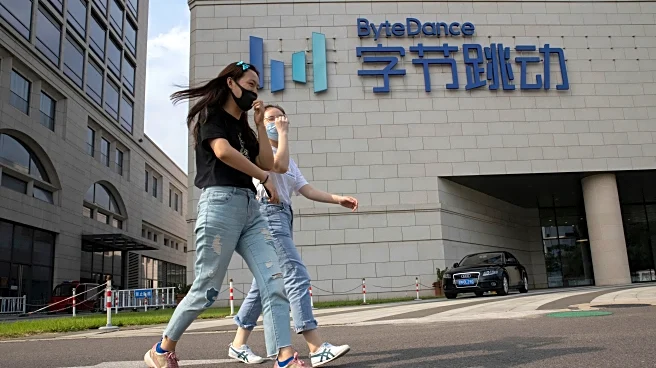
Disney has issued a cease-and-desist letter to ByteDance, the parent company of TikTok, accusing it of using Disney's copyrighted characters without permission in its Seedance 2.0 AI video generator. According to a source familiar with the matter, ByteDance allegedly pre-packaged Seedance with a library of pirated characters from popular franchises such as Star Wars and Marvel, presenting them as if they were public-domain clip art. The letter claims that Seedance is reproducing, distributing, and creating derivative works featuring characters like Spider-Man and Darth Vader. In response, ByteDance has stated it will enhance safeguards on its AI tool to prevent unauthorized use of copyrighted characters and celebrity likenesses. This move by
Disney follows a similar licensing agreement it signed with OpenAI, allowing the use of its characters in another AI video generator.
Why It's Important?
This legal action by Disney highlights the ongoing challenges and complexities surrounding intellectual property rights in the rapidly evolving field of artificial intelligence. The use of copyrighted characters without permission can lead to significant legal and financial repercussions for companies like ByteDance. For Disney, protecting its intellectual property is crucial, as these characters are central to its brand identity and revenue streams. The case underscores the need for clear regulations and agreements in the AI industry to prevent unauthorized use of protected content. It also reflects the broader industry trend where companies are increasingly vigilant about safeguarding their intellectual property against unauthorized use in digital and AI platforms.
What's Next?
As ByteDance works to strengthen its safeguards, it may face further scrutiny and potential legal challenges from other companies whose intellectual property might be used without authorization. Disney's actions could prompt other content creators and rights holders to review and possibly take action against unauthorized uses of their intellectual property in AI technologies. This situation may lead to more stringent industry standards and possibly new legal frameworks governing the use of copyrighted material in AI applications. Additionally, ByteDance's response and any subsequent legal developments will be closely watched by stakeholders in the tech and entertainment industries.