
What's Happening?
Russian figure skater Petr Gumennik, competing as a neutral athlete at the Milan Cortina Winter Olympics, has been compelled to change his short program music just two days before the men's competition.
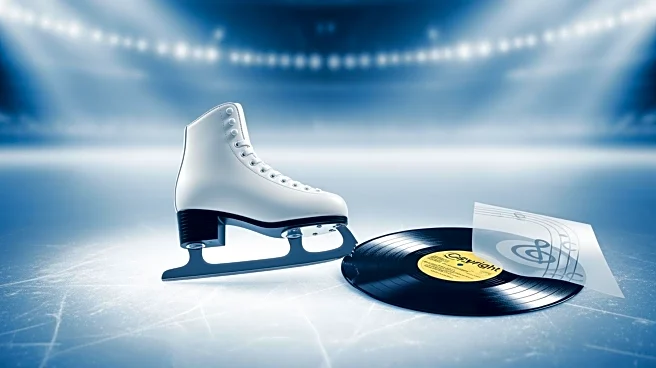
Originally set to perform to music from the film 'Perfume: The Story of a Murderer,' Gumennik discovered he lacked the necessary permissions to use the piece. With limited time, he switched to 'Waltz 1805' by Edgar Hakobyan, for which he secured the required permissions. This incident is part of a broader trend where figure skaters face challenges with music copyright, a problem that has intensified since the International Skating Union (ISU) relaxed its rules in 2014 to allow modern music. Other skaters, like Spain's Tomas-Llorenc Guarino Sabate and Belgium's Loena Hendrickx, have also encountered similar issues, necessitating last-minute changes to their programs.
Why It's Important?
The situation highlights ongoing challenges in the figure skating world regarding music copyright, which can significantly impact athletes' performances and preparations. The ISU's rule change in 2014, allowing modern music, has led to increased scrutiny from artists over the use of their work without permission. This has created a complex environment for skaters who must navigate legal hurdles to ensure compliance. The issue underscores the need for clearer guidelines and systems to prevent such disruptions, which can affect athletes' mental focus and competitive edge. The broader implications extend to the entertainment and sports industries, where copyright laws continue to evolve, affecting how creative works are used in public performances.
What's Next?
As the Winter Games progress, the ISU may need to revisit its policies and develop more robust systems to manage music rights effectively. This could involve closer collaboration with artists and rights holders to streamline the approval process for skaters. Additionally, the ISU might consider providing more resources or support to athletes to help them navigate these legal challenges. The ongoing issues could prompt discussions within the sports community about balancing artistic expression with legal compliance, potentially leading to policy changes in future competitions.
Beyond the Headlines
The copyright challenges faced by figure skaters also reflect broader cultural and legal shifts in how intellectual property is managed in the digital age. As more artists assert control over their work, sports organizations must adapt to ensure compliance while maintaining the artistic integrity of performances. This situation may also influence how other sports and entertainment sectors handle similar issues, potentially leading to new industry standards and practices. The case of Russian athletes competing as neutrals due to geopolitical tensions adds another layer of complexity, highlighting the intersection of sports, politics, and international relations.