




What's Happening?
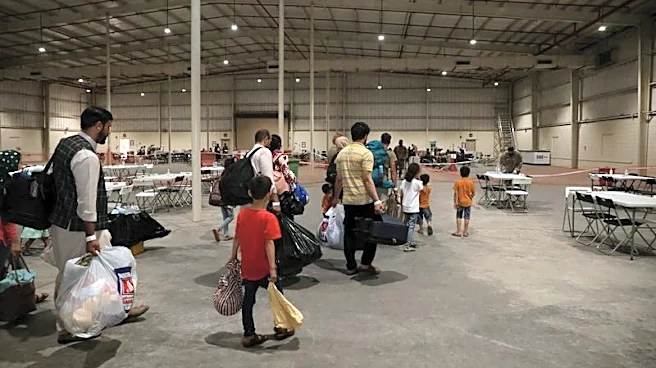
Advocacy groups, including the American Civil Liberties Union and the NAACP, have issued a travel advisory warning visitors to the U.S. for the 2026 World Cup of potential human rights abuses. The advisory highlights risks such as arbitrary detention,
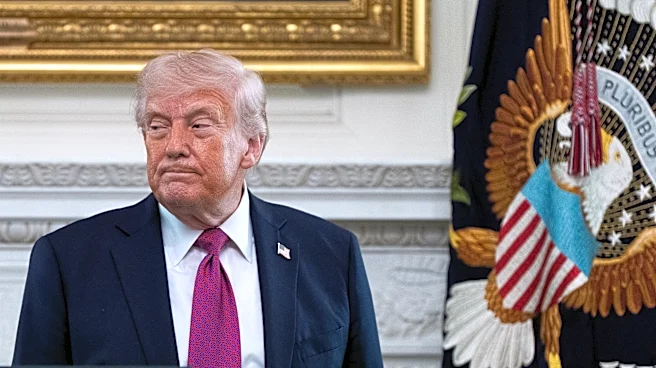
deportation, and racial profiling, particularly affecting immigrant communities, racial minorities, and LGBTQ individuals. This warning comes amid a backdrop of aggressive immigration enforcement and the erosion of federal protections under the Trump administration. The groups urge FIFA to leverage its influence to ensure the protection of human rights for all involved in the event, but FIFA has yet to provide meaningful assurances.
Why It's Important?
The advisory underscores significant concerns about the safety and rights of international visitors to the U.S. during a major global event. The potential for human rights violations could impact the reputation of the U.S. as a host nation and affect international relations. It also places pressure on FIFA to address these concerns and ensure a safe environment for all participants. The situation highlights ongoing issues with U.S. immigration policies and their impact on vulnerable groups, which could lead to broader discussions on human rights and policy reforms.
What's Next?
FIFA and U.S. authorities may face increased scrutiny and pressure to address these human rights concerns before the World Cup. Advocacy groups are likely to continue pushing for assurances and actions to protect visitors. The U.S. State Department's response, or lack thereof, could influence international perceptions and diplomatic relations. The situation may also prompt further dialogue on immigration policies and human rights protections in the U.S.
Beyond the Headlines
The advisory raises ethical questions about the responsibilities of international organizations like FIFA in ensuring human rights are respected in host countries. It also highlights the potential long-term impact on the U.S.'s ability to host future international events if these concerns are not adequately addressed. The situation could lead to increased advocacy and policy changes aimed at protecting vulnerable populations in the U.S.