







What's Happening?
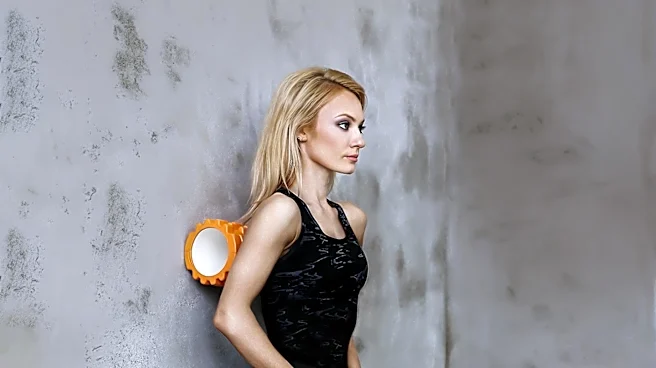
The 'Wall Test' is a straightforward exercise designed to help individuals assess and improve their posture. According to Dr. Emily Sieg, director of neurotrauma at the University of Louisville Health’s Brain and Spine Institute, the test involves standing
with the buttocks, shoulder blades, and head against a wall, with feet a few inches away. This position helps determine if one is maintaining proper posture, which is crucial for preventing neck pain and stress on back muscles. Dr. Brett Goodloe, an orthopedic surgeon at Virginia Commonwealth University Health, emphasizes the importance of good posture for body function and longevity. The test is particularly relevant in today's society, where many people spend extended periods hunched over electronic devices, leading to poor posture habits.
Why It's Important?
Maintaining good posture is essential for preventing chronic pain and mobility issues as people age. Poor posture can lead to conditions such as fixed kyphosis, where individuals are unable to stand upright due to a lifetime of slouching. This is increasingly common among young adults and adolescents who spend significant time on phones and computers. The 'Wall Test' provides a simple way to regularly check and correct posture, potentially reducing the risk of long-term health issues. By promoting awareness and encouraging better posture habits, individuals can improve their overall health and avoid the need for medical interventions like spine surgery.
What's Next?
For those who find the 'Wall Test' challenging or uncomfortable, it is recommended to practice the test regularly to gradually improve posture. Setting reminders to check posture throughout the day can help reinforce good habits. Additionally, consulting a physical therapist may be beneficial for those struggling with posture correction. Adjusting work environments, such as ensuring computer screens are at eye level and using supportive chairs, can also aid in maintaining proper posture. These steps can help individuals strengthen core muscles and improve stability, ultimately leading to better posture and reduced risk of pain.