



What's Happening?
A DIY worm farm has been highlighted as an effective method for composting food scraps and paper at home. The farm utilizes the species Eisenia fetida, known for its resilience and ability to process large amounts of organic material. These worms can
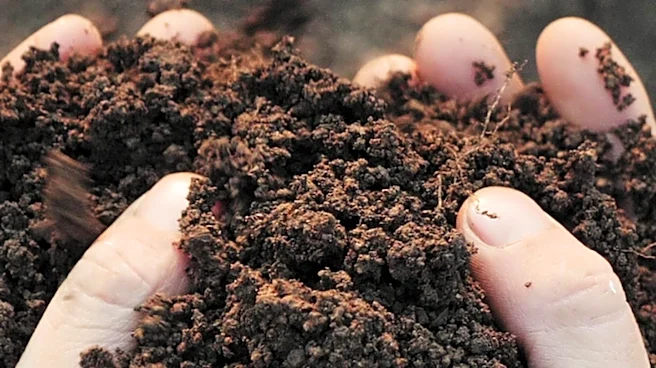
handle a variety of materials, including food waste and certain types of paper, and thrive in a range of temperatures. The process is visually intriguing and can be set up in a small, manageable container that can be placed in a shaded area to maintain optimal conditions. This method not only reduces waste but also produces nutrient-rich compost that benefits garden soil. The farm setup is described as intimate and allows for easy observation of the composting process, which can be both fascinating and repulsive.
Why It's Important?
The use of DIY worm farms for composting is significant as it offers a sustainable solution to waste management, reducing the amount of organic waste sent to landfills. This method of composting is accessible to urban dwellers, providing a practical way to recycle organic materials and contribute to environmental conservation. The nutrient-rich compost produced can enhance soil fertility, supporting urban gardening and agriculture. Additionally, the process encourages individuals to engage with sustainable practices, fostering a culture of environmental responsibility. The ability to compost items like utility bills and unwanted mail adds a personal satisfaction element, turning waste into valuable resources.