






What's Happening?
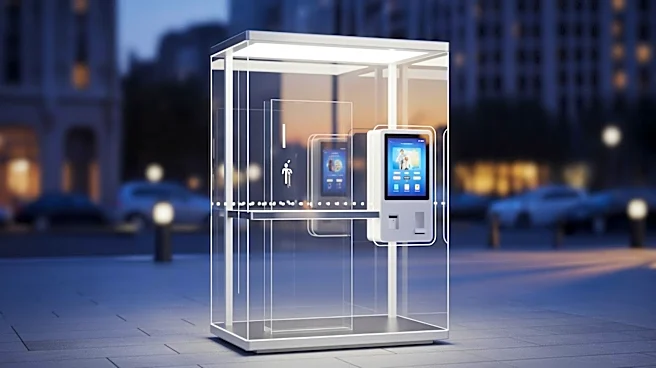
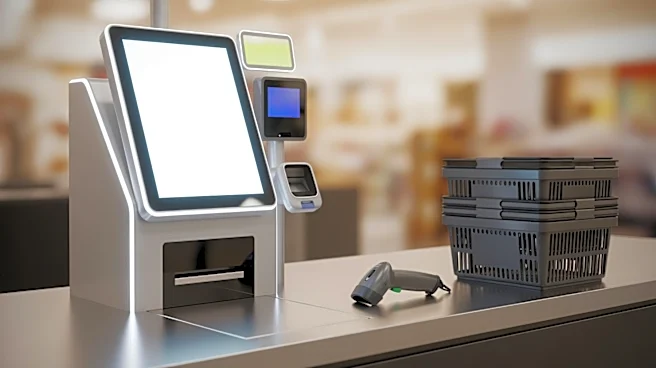
The self checkout terminals market is experiencing significant growth, driven by the increasing demand for streamlined retail operations and enhanced customer experiences. These automated systems allow consumers to independently scan, bag, and pay for their
purchases without direct assistance from store personnel. Retailers are adopting self checkout solutions to reduce labor costs, improve transaction speeds, and decrease queues, especially during peak shopping hours. The integration of contactless payment options, including mobile wallets and biometric authentication, has become a standard feature, aligning with modern consumer preferences. The expansion of self checkout systems into various retail formats, from supermarkets to electronics outlets, underscores the versatility and growing importance of this technology in the retail ecosystem.
Why It's Important?
The adoption of self checkout terminals is crucial for retailers aiming to enhance operational efficiency and customer satisfaction. By reducing labor costs and improving transaction speeds, these systems help retailers manage peak shopping hours more effectively. The global shift towards contactless and hygienic shopping experiences, accelerated by the COVID-19 pandemic, has further propelled the adoption of self checkout terminals. Retailers recognize that these systems not only enhance operational efficiency but also contribute to safer shopping environments by minimizing physical contact. As a result, the market has seen a surge in investments towards upgrading existing infrastructure and deploying new self checkout solutions across different regions.
What's Next?
The future of the self checkout terminals market is poised for substantial expansion, driven by ongoing technological innovations and evolving retail landscapes. Emerging trends include the integration of artificial intelligence to enable smarter item recognition, predictive analytics for inventory management, and enhanced security protocols to prevent theft and fraud. The adoption of contactless and biometric payment methods is expected to become standard, further improving transaction speed and security. Forecasts indicate that the market will continue to grow at a compound annual growth rate of around 10-12% over the next five years, reaching an estimated valuation of over USD 10 billion by 2028.