

What's Happening?
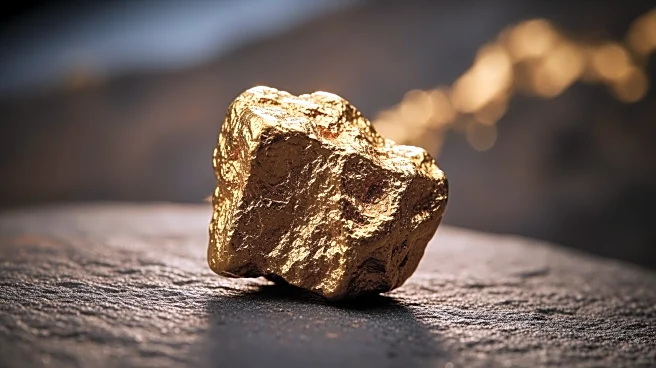
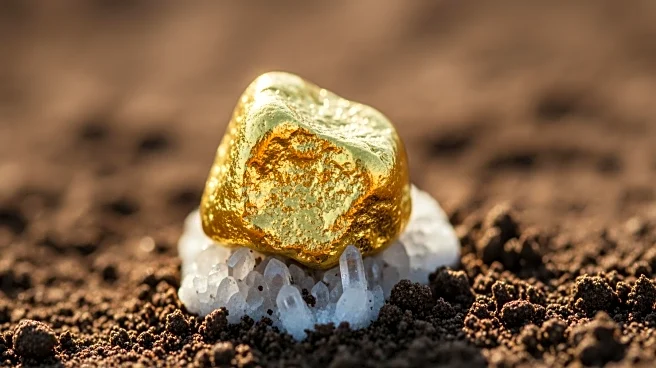
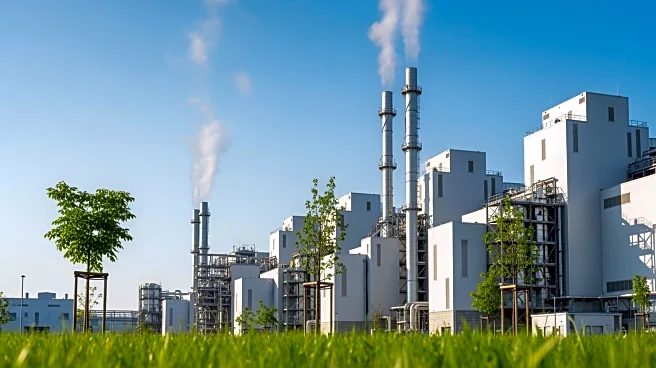
Fortescue Metals Group is nearing completion of a prototype facility at Christmas Creek in Western Australia, designed to produce 1,500 tonnes of green iron annually. This initiative is part of Fortescue's broader strategy to decarbonize its mining operations by 2030 and expand into zero-carbon metals processing. The facility will utilize green hydrogen in the direct-reduced iron (DRI) process, which removes oxygen from iron ore, offering an alternative to traditional coal-fired blast furnaces. Dino Otranto, CEO for metals and operations at Fortescue, emphasizes that the company aims to upgrade its iron ore to a green product, reducing the need for coal in steel production. Despite challenges in making green hydrogen economically viable, Fortescue remains
committed to its ambitious agenda, driven by growing demand for green metals in China.
Why It's Important?
The development of green iron production is significant as it represents a shift towards more sustainable practices in the mining and metals industry. By reducing reliance on coal-fired processes, Fortescue's initiative could lead to substantial reductions in carbon emissions associated with steel production. This move aligns with global efforts to combat climate change and transition to cleaner energy sources. The success of Fortescue's project could set a precedent for other companies in the industry, potentially influencing policy and investment in green technologies. Additionally, the demand for green metals, particularly in China, underscores the economic potential of sustainable practices, which could drive further innovation and competitiveness in the sector.
What's Next?
Fortescue plans to test various technologies at the Christmas Creek pilot facility, with the goal of scaling up production to a 1 million or 10 million tonne plant. This expansion is currently under study, indicating a long-term commitment to green iron production. The company will need to overcome economic challenges associated with producing green hydrogen, which requires low-cost electrons. As the cost of producing green electrons decreases, Fortescue anticipates that green hydrogen will become economically competitive. The success of this project could encourage other Australian miners to explore similar initiatives, potentially transforming the industry and contributing to global sustainability goals.