
What's Happening?
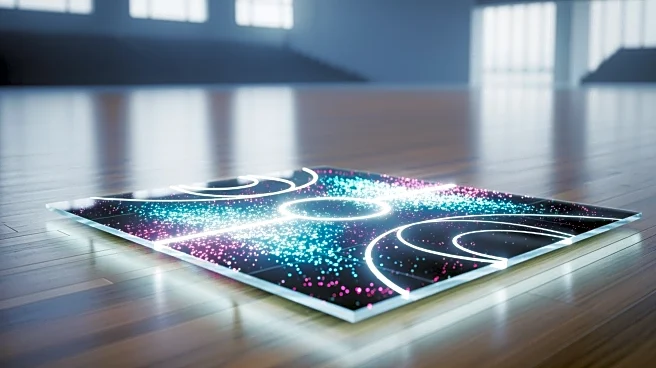
The Big 12 Conference is set to revolutionize its men's and women's basketball tournaments by introducing a high-tech glass floor embedded with LED technology. This innovative court will be used for the
first time in official U.S. competitions during the March tournaments in Kansas City, Missouri. The floor, developed by ASB GlassFloor, has previously been showcased at the 2024 NBA All-Star Game in Indianapolis and in various European events. The LED technology allows for dynamic data-driven graphics, advertising, and interactive games for fans during timeouts. The court's design includes an aluminum and steel spring-action system that mimics the flexibility of traditional hardwood floors, while the LED panels are coated with ceramic and etched with dots to ensure grip and a consistent playing surface. Coaches like Kansas men's coach Bill Self and Baylor women's coach Nicki Collen have expressed enthusiasm about the new technology, highlighting its potential to enhance the sport's future.
Why It's Important?
The introduction of LED glass courts in the Big 12 tournaments marks a significant technological advancement in sports infrastructure. This innovation could set a precedent for other conferences and sports organizations to adopt similar technologies, potentially transforming the viewing and playing experience. The ability to display real-time data and interactive content could enhance fan engagement and open new avenues for advertising revenue. For players, the court's design promises a consistent and safe playing surface, potentially reducing the risk of injuries associated with traditional hardwood floors. This development reflects a broader trend of integrating technology into sports to improve both performance and entertainment value.
What's Next?
As the Big 12 prepares to debut the LED glass court, other sports leagues and conferences will likely monitor its impact closely. If successful, this technology could be adopted in other major tournaments and sports events, leading to widespread changes in how games are presented and experienced. Stakeholders, including sponsors and advertisers, may explore new opportunities to leverage the interactive capabilities of the court. Additionally, feedback from players and coaches will be crucial in assessing the court's performance and potential improvements. The success of this initiative could also spur further innovations in sports technology, driving a new era of digital integration in athletic events.