


What's Happening?
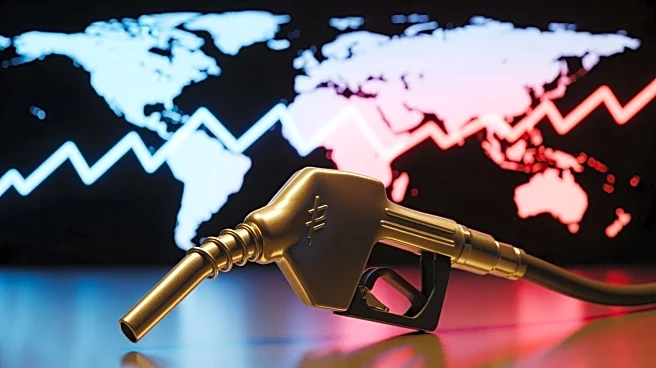
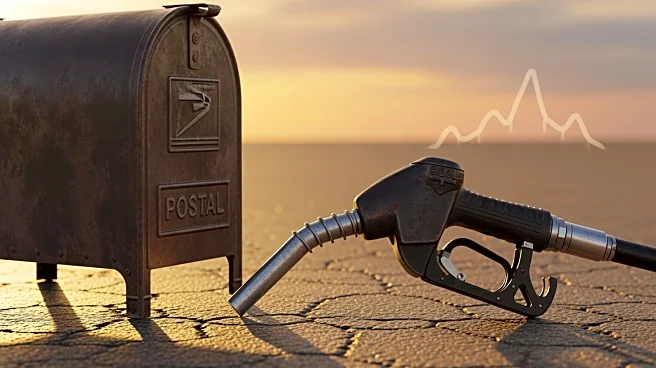
The U.S. Postal Service (USPS) has announced plans to implement a temporary 8% fuel surcharge on package and express mail deliveries. This decision comes in response to escalating transportation costs driven by a significant increase in oil prices, which
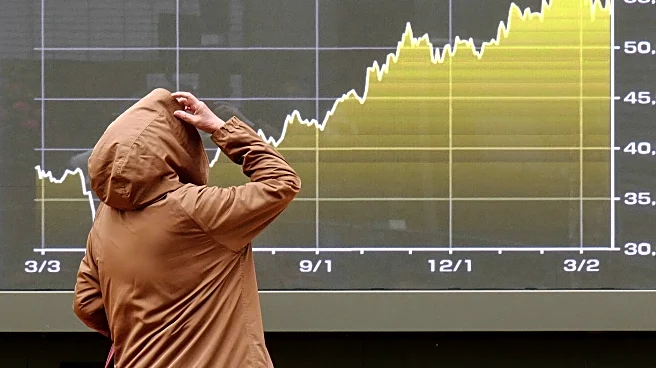
have surged over 40% since the United States and Israel initiated military actions against Iran on February 28, 2026. The proposed surcharge, pending approval from the Postal Regulatory Commission, is set to take effect on April 26, 2026, and will remain in place until January 17, 2027. The surcharge will apply to Priority Mail Express, Priority Mail, USPS Ground Advantage, and Parcel Select products, while first-class stamps and other mail services will remain unaffected.
Why It's Important?
The proposed surcharge by USPS highlights the broader economic impact of geopolitical conflicts on domestic services. Rising oil prices, a direct consequence of the Iran conflict, are increasing operational costs for logistics and delivery services, potentially affecting consumer prices and business operations. This move by USPS could set a precedent for other delivery and logistics companies facing similar cost pressures. Additionally, the surcharge may influence consumer behavior, potentially reducing demand for certain postal services due to increased costs. The situation underscores the interconnectedness of global events and domestic economic conditions, emphasizing the need for strategic planning in response to international conflicts.
What's Next?
If approved, the surcharge will likely prompt discussions among stakeholders, including businesses that rely heavily on USPS for shipping. Companies may need to reassess their logistics strategies to mitigate increased costs. Additionally, consumer advocacy groups might raise concerns about the surcharge's impact on affordability and accessibility of postal services. The Postal Regulatory Commission's decision will be closely watched, as it could influence future regulatory approaches to similar economic challenges. Furthermore, the ongoing conflict in Iran and its impact on oil prices will remain a critical factor in determining the duration and extent of such surcharges.