


What's Happening?
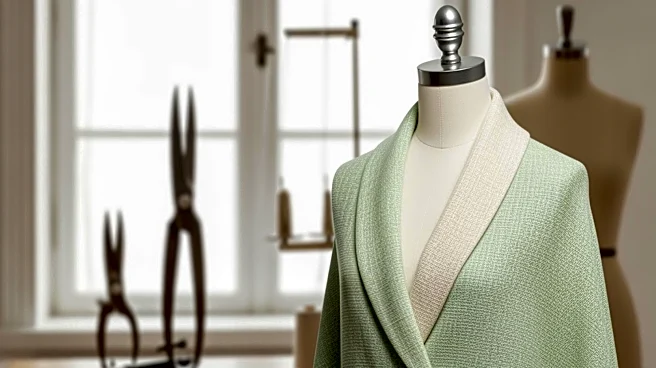
Milan Design Week 2026 has highlighted a significant shift in the strategies of fashion brands, moving away from ephemeral, Instagram-focused installations to more intellectual and craftsmanship-centered approaches. According to a report by PR agency
Karla Otto, fashion brands are now prioritizing creative processes and ideas over fleeting buzz. This year's event saw fashion as a central player, accounting for 11.8% of the 'share of voice' in online and media discussions. Luxury brands like Prada, Miu Miu, and Jil Sander have embraced cerebral and philosophical themes, investing in formats such as conferences and curated libraries. Notably, Jil Sander's collaboration with Apartamento Magazine, 'Reference Library,' was a major highlight. Brands like Loro Piana and Louis Vuitton have scaled back on large installations to focus on product and heritage, while Gucci used its Florentine café offerings to tell its brand story.
Why It's Important?
This shift in strategy reflects a broader trend in the fashion industry towards meaningful engagement and authenticity. By focusing on intellectual content and craftsmanship, brands are responding to an audience that values depth and quality over superficial appeal. This approach not only enhances brand credibility but also aligns with a growing consumer demand for sustainability and heritage. The integration of fashion with other sectors, such as Yohji Yamamoto's uniform design for Aesop, exemplifies a move towards organic and legitimate collaborations. The presence of celebrities like Dua Lipa and Margot Robbie at the event underscores the continued importance of digital amplification, providing brands with a global platform to reach wider audiences.
What's Next?
As fashion brands continue to refine their strategies, we can expect a greater emphasis on cultural precision and intellectual engagement in future events. This may lead to more collaborations across industries, focusing on authenticity and craftsmanship. Brands will likely continue to leverage celebrity influence to amplify their reach, while also exploring new ways to integrate their products into broader cultural narratives. The success of these strategies at Milan Design Week 2026 suggests that other fashion events may adopt similar approaches, potentially reshaping the industry's landscape.
Beyond the Headlines
The move towards intellectual engagement and craftsmanship in fashion reflects a deeper cultural shift towards valuing substance over style. This trend may influence other creative industries, encouraging a focus on heritage and sustainability. As brands prioritize meaningful collaborations and storytelling, there could be a long-term impact on consumer expectations and industry standards. This evolution in fashion strategy highlights the importance of adapting to changing cultural dynamics and the potential for brands to play a role in shaping societal values.