

What's Happening?
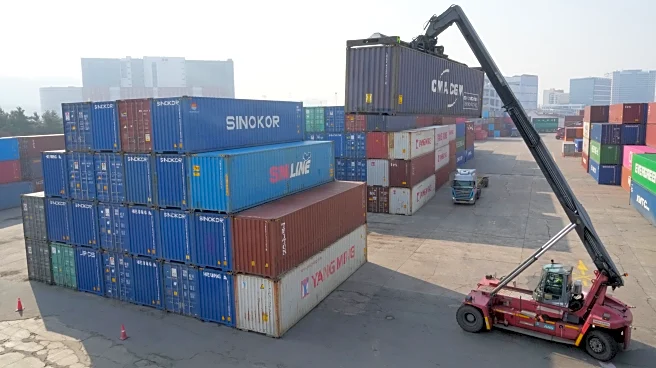
The Office of the United States Trade Representative (USTR) has expanded its Section 301 investigations to include 60 additional countries. This move follows initial investigations into countries such as China, the European Union, and others, focusing
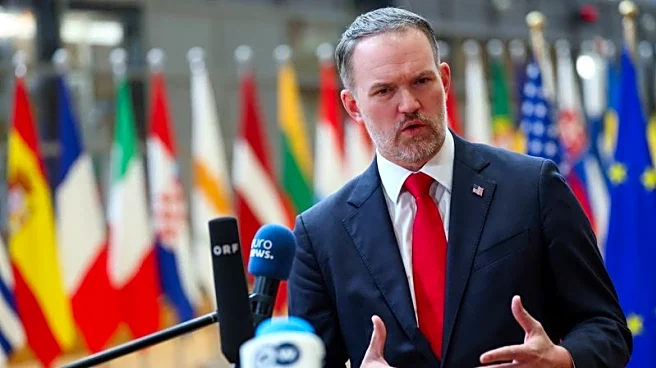
on structural excess capacity and production in manufacturing sectors. The USTR aims to determine if these countries' policies related to forced labor are unreasonable or discriminatory, impacting U.S. commerce. Ambassador Jamieson Greer emphasized the need to address forced labor, which gives foreign producers an unfair cost advantage over American workers and businesses. The investigations will assess whether foreign governments have effectively banned goods produced with forced labor. This development comes after the U.S. Supreme Court ruled against the Trump administration's tariffs under the International Economic Emergency Protection Act, prompting the White House to implement a temporary 10% Section 122 tariff.
Why It's Important?
The expansion of Section 301 investigations highlights the U.S. government's commitment to addressing unfair trade practices, particularly those involving forced labor. This move could lead to significant changes in international trade dynamics, as countries found to be non-compliant may face tariffs. For U.S. businesses and workers, this could level the playing field by reducing competition from goods produced under unfair labor conditions. However, the imposition of tariffs could also lead to increased costs for U.S. consumers and businesses reliant on imports. The investigations underscore the broader economic and ethical implications of trade policies, as they aim to protect American interests while promoting fair labor practices globally.
What's Next?
The USTR has scheduled a hearing for these investigations on April 28, with written comments due by April 15. If the investigations conclude that the industrial policies of the countries in question are unreasonable or distort trade, the U.S. may respond with tariffs. This process will involve public comments, hearings, and findings before any new duties are imposed. The outcome of these investigations could influence future trade relations and policies, potentially leading to further economic and diplomatic actions.