



What's Happening?
Starcloud, a startup based in Redmond, Washington, has successfully raised $170 million in a Series A funding round, achieving a valuation of $1.1 billion. The funding round was led by Benchmark and EQT Ventures, with additional participation from Macquarie
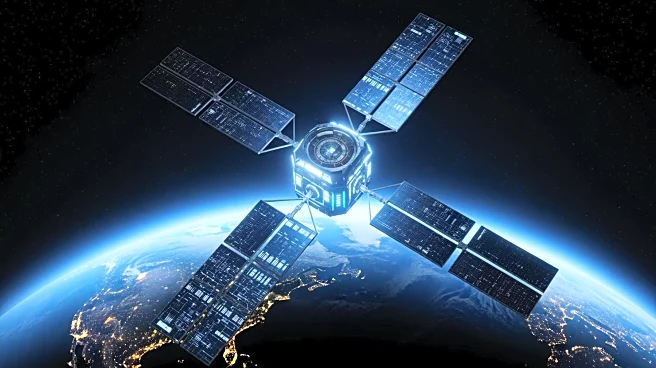
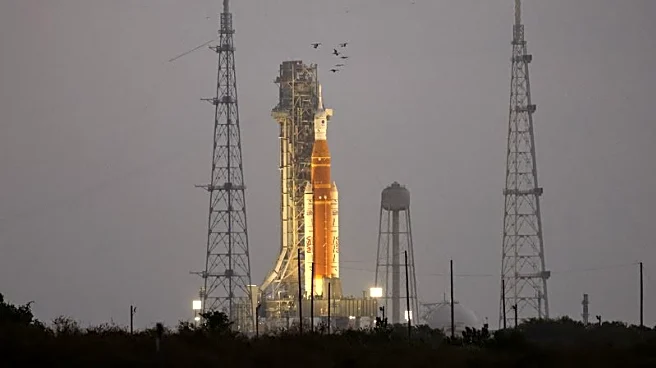
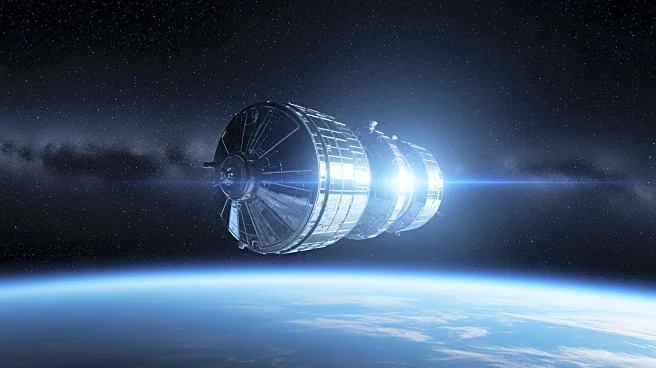
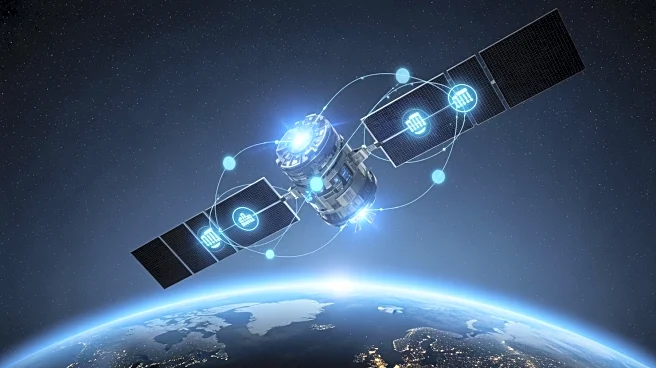
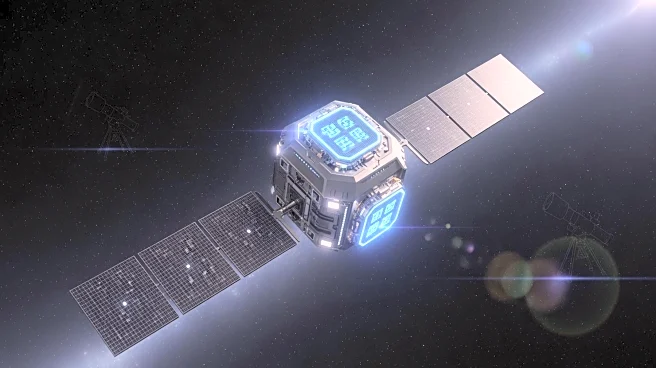
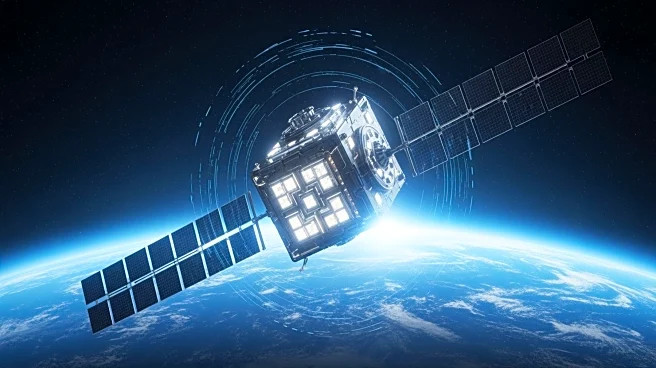
Capital, NFX, and several other institutional and angel investors. Starcloud is focused on developing orbital data centers, having already launched its first spacecraft, Starcloud-1, which demonstrated the capability to operate AI-enabled technology in space. The company plans to use the new funds to expand its team and establish a manufacturing facility for future spacecraft, aiming to deploy on SpaceX's Starship flights by 2028.
Why It's Important?
The successful funding round underscores the growing interest and investment in space-based data centers, which offer unique advantages such as reduced latency for space-generated data and enhanced data security. Starcloud's advancements could position it as a leader in this emerging sector, potentially transforming how data is processed and stored. The company's ability to attract significant investment highlights the confidence in its technology and business model, which could lead to increased competition and innovation in the space industry. This development also reflects broader trends in the commercialization of space, as companies seek to leverage lower launch costs and advanced technology for new business opportunities.
What's Next?
Starcloud plans to scale its operations by increasing its workforce and bringing more production in-house. The company aims to launch its second spacecraft, Starcloud-2, later this year, which will feature enhanced capabilities and partnerships with major tech companies like AWS and Google Cloud. The success of these missions could pave the way for more ambitious projects, including the deployment of Starcloud-3 spacecraft on future commercial flights. As the company continues to grow, it will likely face challenges related to reducing launch costs and ensuring the reliability of its technology in the harsh environment of space.