





What's Happening?
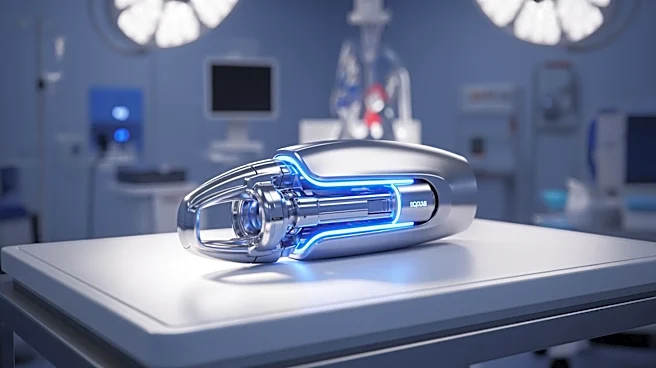
Exactice Medical, Inc. has entered into a definitive agreement with ImSonic Medical, Inc. to develop an advanced prototype of the AIM device, which is the first combined imaging and transseptal access solution in the industry. This device aims to make
transseptal procedures faster, safer, and more cost-effective by integrating 2D/3D intracardiac echocardiography (ICE) with a deployable steerable needle guide. The collaboration allows Exactice to secure exclusive rights to develop, commercialize, and distribute ImSonic’s advanced imaging technology within the AIM device for use in electrophysiology and interventional cardiology procedures. The AIM device is designed to simplify procedures, enhance precision, and improve workflow efficiency, addressing the growing need for safer and more precise access across the atrial septum.
Why It's Important?
The collaboration between Exactice Medical and ImSonic Medical is significant as it addresses the increasing demand for improved transseptal procedures, which are performed over a million times annually worldwide. The AIM device's integration of imaging and access solutions into a single device could transform cardiology by enhancing procedural precision and safety, ultimately benefiting clinicians, patients, and healthcare systems. The partnership leverages ImSonic's expertise in medical imaging and catheter design, potentially accelerating innovation and growth in the transseptal market. This development could lead to more efficient workflows and better clinical outcomes, highlighting the importance of technological advancements in medical procedures.
What's Next?
Following the completion of preclinical animal studies, Exactice Medical plans to pursue 510(k) clearance for the AIM device. This regulatory step is crucial for bringing the device to market and making it available for clinical use. The collaboration is expected to continue leveraging ImSonic's imaging and catheter technologies to further innovate and expand the capabilities of the AIM device. The success of this partnership could prompt further collaborations and advancements in the field of interventional cardiology, potentially setting new standards for transseptal procedures.