



What's Happening?
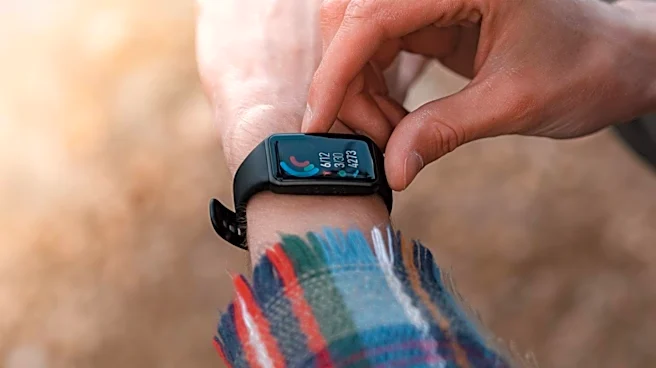
Summer is traditionally seen as a vibrant season, but it poses unique challenges to human physiology, as revealed by wearable technology. Devices like Oura rings and WHOOP bands track biological data, showing increased outdoor activity and fluctuating
sleep patterns during summer months. According to Lily Hackett, Oura's senior product marketing manager, users engage more in activities like kayaking, golf, and hiking, but also experience reduced sleep due to longer daylight hours. Emily Capodilupo from WHOOP notes that summer brings variability in routines, affecting sleep, recovery, and stress levels. Data from Oura indicates a decrease in sleep duration and quality, with users averaging 16 fewer minutes of sleep per night during summer 2024. The physiological stress of heat is evident, with higher heart rates and cardiovascular strain during workouts.
Why It's Important?
The insights provided by wearable technology are crucial for understanding how seasonal changes affect human health and behavior. As summer activities increase, the data highlights the importance of managing stress and recovery, especially in hot conditions. This information can guide users in optimizing their lifestyle, ensuring adequate hydration and adjusting workout intensity. The ability to track and respond to physiological changes in real-time empowers individuals to make informed decisions about their health. The broader implications extend to public health strategies, where understanding seasonal impacts can inform policies on outdoor activities and health advisories during heat waves.
What's Next?
As wearable technology continues to evolve, it is likely to offer even more detailed insights into how environmental factors affect human health. Companies like Oura and WHOOP may develop new features to better assist users in managing summer-related stress and recovery. Public health officials could leverage this data to issue more precise health advisories during extreme weather conditions. Additionally, the growing popularity of wearables may drive further research into seasonal health impacts, potentially influencing fitness and wellness industries to tailor their offerings according to seasonal needs.
Beyond the Headlines
The use of wearable technology to track summer's impact on human physiology raises ethical considerations regarding data privacy and the potential for over-reliance on technology for health management. As these devices become more integrated into daily life, questions about data security and the accuracy of health insights will become increasingly important. Furthermore, the cultural shift towards technology-driven health monitoring may influence societal norms around personal health responsibility and the role of technology in everyday life.